

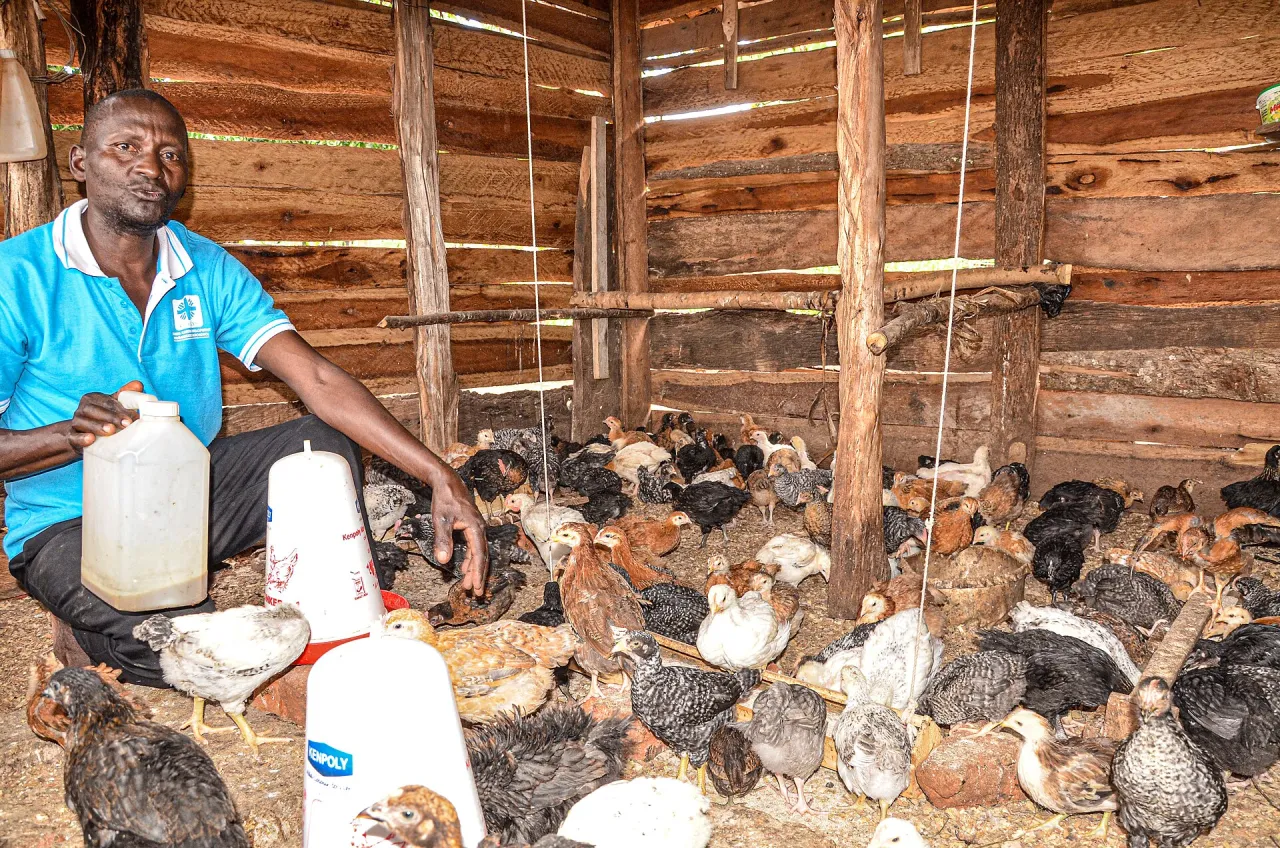
An introductory poultry lesson can teach the meaning of feeding, housing and animal care, but a beginner often remembers more by recording a small series of observations. A poultry observation notebook creates a place to practise what to notice, what you do not know and when to seek expert help. You can use an imaginary flock for classroom training, so owning birds is not necessary.
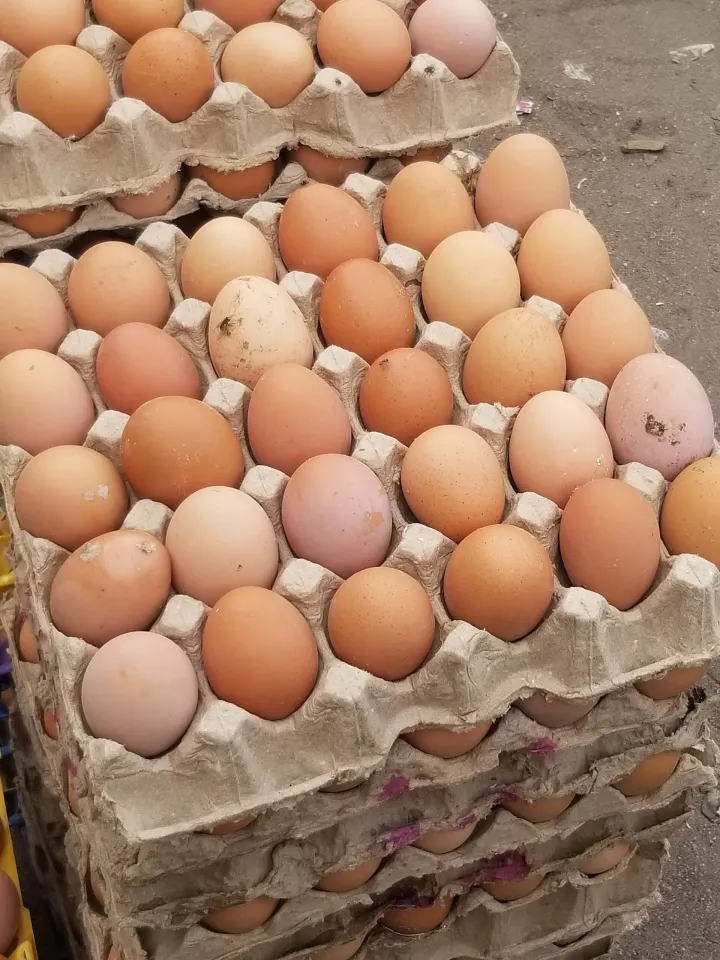
Featured image: Emmanuel Ssekaggo · CC BY-SA 4.0 · Source
This article describes a learning exercise, not veterinary instructions. Every flock, figure and event in the examples is illustrative. Do not change animal diets, medicine or health procedures based on a classroom notebook; consult a qualified poultry professional for decisions affecting real birds.
Start with a simple flock description
Give the exercise flock a fictional location, bird type, number of birds and observation period. Note the difference between information you received from an instructor and observations you actually made. For real farming visits, obtain permission before entering facilities and respect hygiene rules.
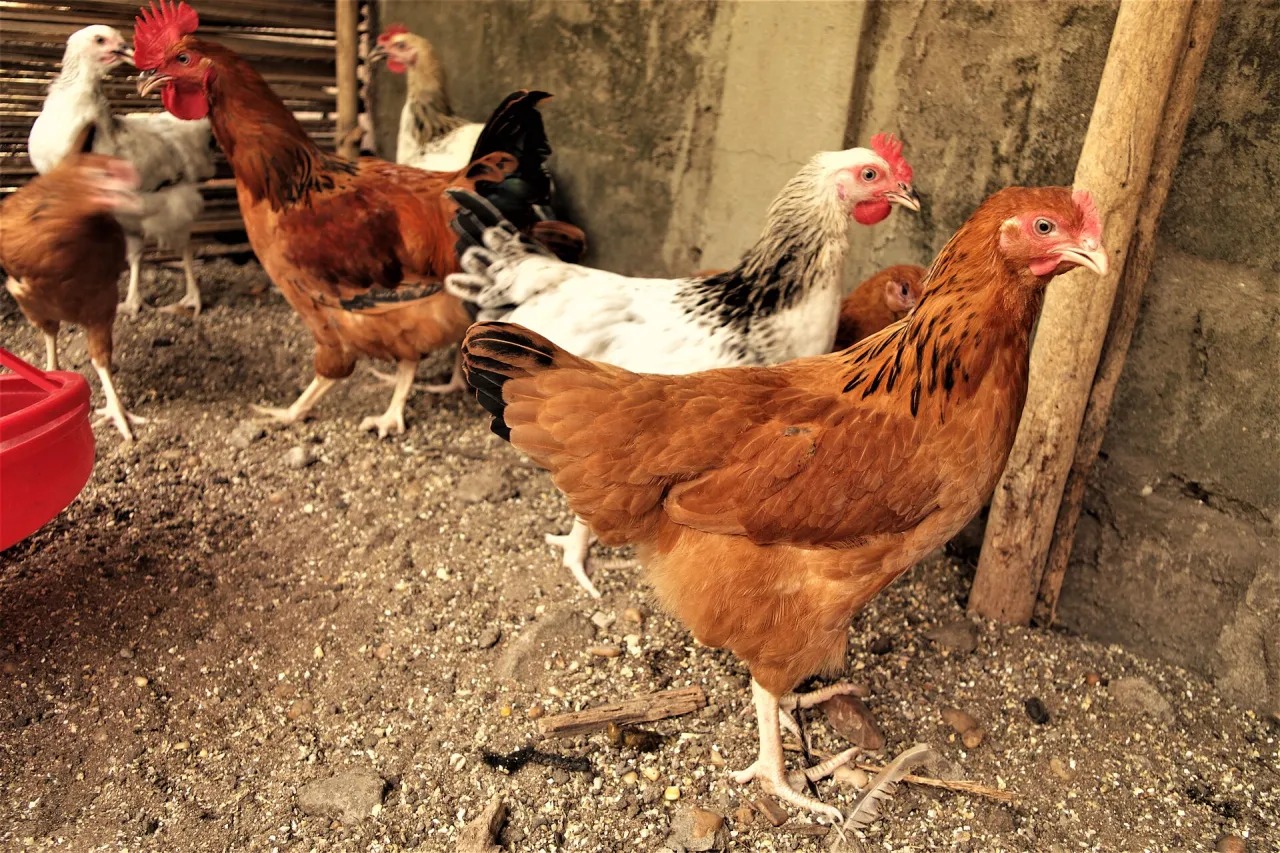
The FAO gateway to poultry production and products covers management, nutrition, housing, production systems and poultry products. It illustrates why bird management is made up of connected subjects rather than a single feeding formula. Choose only what your course level can interpret reliably.
Use one consistent daily table
A learner’s worksheet can have columns for date, observed activity, feed or water availability, housing observations, count if known, unusual changes, question raised and action requested from an instructor. Keep subjective descriptions separate from measured values. If an observation was missed, write ‘not observed’ rather than guessing.
Illustrative example: In a fictional flock of 20 birds, a learner notes that water containers were found empty during one visit. That is an observation requiring investigation, not proof of a specific illness or prescribed treatment. Record the time and what further information would help an instructor assess the situation.
Learn the difference between evidence and interpretation
Beginners sometimes mistake a single event for a general trend. A bird standing apart from others might invite several questions, but a notebook alone cannot identify disease. Note what you actually saw and seek appropriately trained advice. The record should help communicate concerns accurately, not create false confidence.
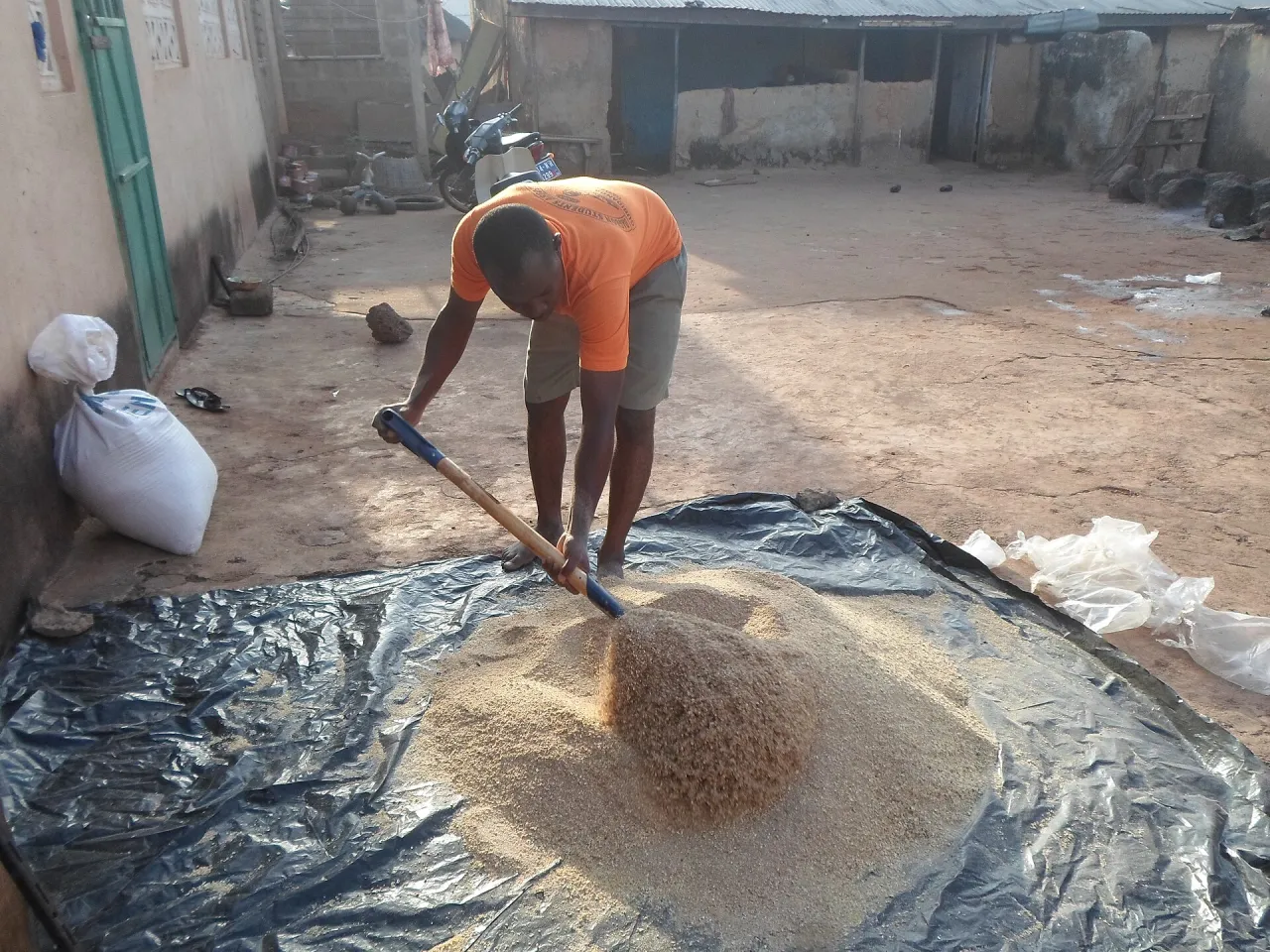
FAO’s animal health resource discusses the significance of healthy animals to agriculture and livelihoods. Its scope is far broader than this elementary exercise. Use the official material to understand why unusual animal-health observations deserve care, without treating the page as a diagnosis for any specific flock.
Include feed and housing context
During a permitted training demonstration, note what was provided, when it was provided and what conditions were visible. Ask how producers determine appropriate feed for a given production stage, and whether weather or ventilation needs attention. Do not infer a universal feed quantity from a single farm visit.
Illustrative example: A trainee sees wet litter near a container and writes down that location, date and possible questions. The instructor can then explain why accurate environmental notes matter. The exercise does not establish whether the wetness caused harm or what specific intervention the farm requires.
Turn observations into learning questions
At the end of each week, choose three questions the notebook raised. They might concern how egg counts are recorded, why equipment is checked regularly or how reliable production data differs from estimates. Look up terms in trustworthy resources and discuss uncertainties in class. Do not copy technical procedures without understanding them.
The ILO Start and Improve Your Business programme highlights business planning and record keeping for small enterprises. Those ideas are relevant to the entrepreneurial side of poultry farming: good records can support responsible questions about resources, costs and operations. They cannot replace technical husbandry guidance.
Practise with an invented record first
Create a fictional table covering a few days, then deliberately add an incomplete entry for discussion. Ask a classmate to identify which values are measured, which are estimates, and what information is missing. Comparing interpretations is useful because two readers may reach different conclusions from vague notes.
Illustrative example: A sample line says ‘feed lower today’ without a quantity or comparison. Rewrite it as ‘observed half-full container at 9 AM, previous reading unavailable.’ The second note is clearer without pretending to know feed consumption or prescribing an amount.
Connect observations to G-Learning resources
G-Learning Center has a Poultry Farming (Full Course) page. Use its subject matter as a starting point for asking an instructor which observations are appropriate for your level. The site’s Agri-Business in Nigeria (Full Course) offers a wider business-learning connection.
Check the actual course pages for current content and enrolment details rather than assuming availability, fees or qualifications. If visiting a real farm, follow the farm’s requirements and the guidance of trained staff. Classroom records should use fictional or properly authorised material.
Finish with a reflective learning report
Your completed poultry observation notebook should show accurate dates, clear statements, acknowledged gaps and a short reflection on what further learning is necessary. The purpose is not to produce a veterinary opinion. It is to become more careful about how practical farming information is observed and communicated.
A learner who can say ‘I observed this, I do not yet know why, and here is what I need to ask’ has learnt an important habit. That skill can later support agricultural training, business planning and respectful conversations with experienced farmers.