

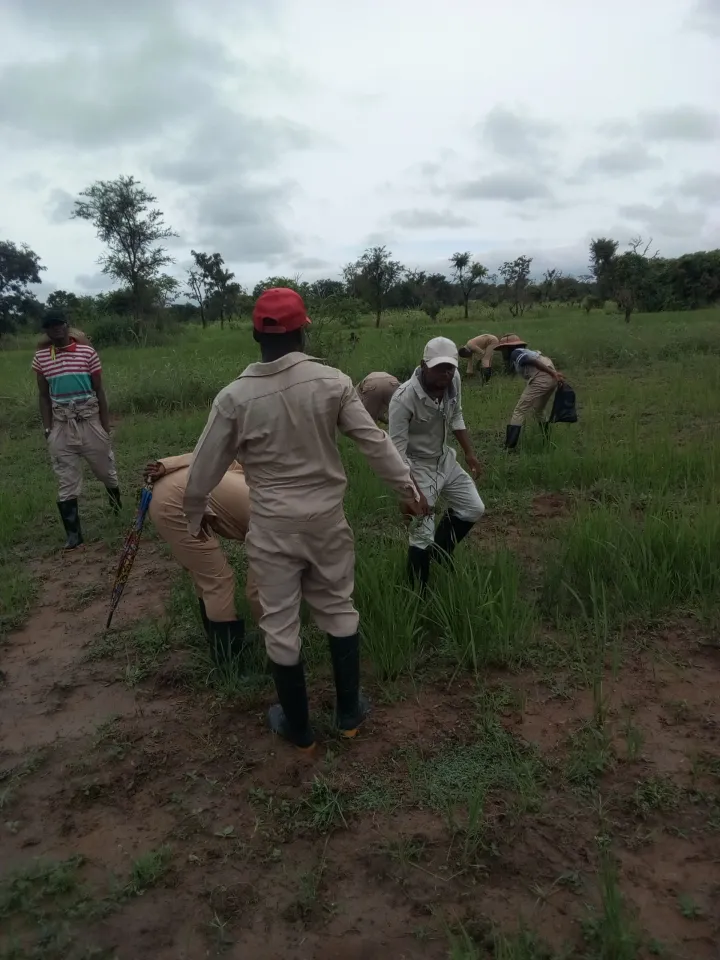
The Bama agriculture university campus project reached a new milestone in October 2026 when the Federal Ministry of Education announced the signing of a deed transferring Umar Ibn Ibrahim El-Kanemi College of Education, Science and Technology as the permanent campus of the Federal University of Agriculture and Entrepreneurship, Bama.
Featured image: Fred Timbee · CC BY-SA 4.0 · Source
For students in Borno State and other areas interested in agriculture, business or applied research, the development has clear long-term significance. A transfer of facilities, however, does not by itself confirm admissions are open, that every programme has accreditation or that classes have started in all proposed departments.
What the 13 October announcement confirms
The ministry’s official statement describes the signing of a transfer deed and calls it an institutional foundation for the university. It says officials emphasised careful facilities management, research, sustainable development, entrepreneurship and partnerships with the private sector and agricultural organisations.

The ministry also noted that the institution’s successful take-off would require effective operations and readiness. This is an important qualification: establishing a campus legally and making all academic services fully operational are related but distinct steps.
Why a specialist agricultural university matters
Agriculture is not only farm work. Study areas can connect production with processing, soil and water management, marketing, research, data and enterprise development. A university focused on agriculture and entrepreneurship could create opportunities to connect academic learning with real problems in surrounding communities.
These are potential educational directions, not a confirmed programme catalogue for Bama. Prospective applicants should consult official university and regulator materials for any approved degree title, admission route and campus arrangement rather than relying on promotional speculation.
Practical learning needs more than lecture halls
Agricultural education may require field work, safe laboratories, knowledgeable instructors and relationships with local producers. Learning about machinery, for example, is different from being trained to operate it safely on a real farm. Relevant facilities, teaching resources and competent supervision are necessary.
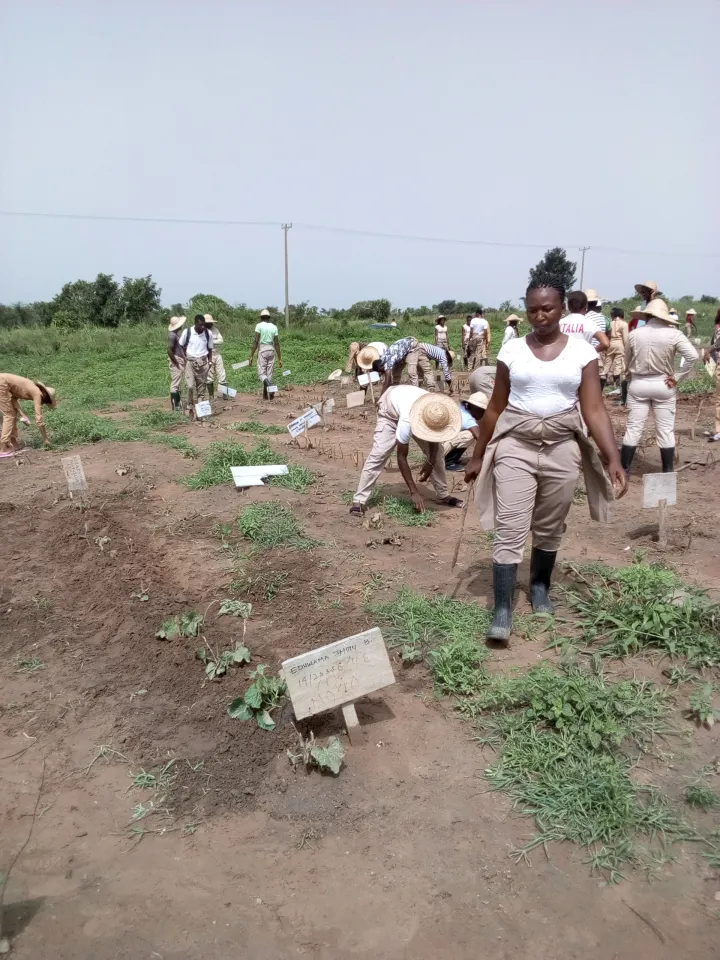
The FAO sustainable agricultural mechanization resource illustrates the importance of appropriate equipment and production systems. It provides agricultural context, but cannot certify what facilities the new university currently owns or the quality of a specific course.
Entrepreneurship should connect study with evidence
A student studying enterprise development may learn to examine customer needs, costs, production constraints and real demand before attempting to launch a venture. Strong university-community partnerships can provide practical questions for research, but any promised internship or business grant must be confirmed separately.
The ILO Start and Improve Your Business programme addresses entrepreneurial skills, costing and planning. Its usefulness here is educational context, not a claim that the programme is formally affiliated with the new campus.
What prospective students must verify
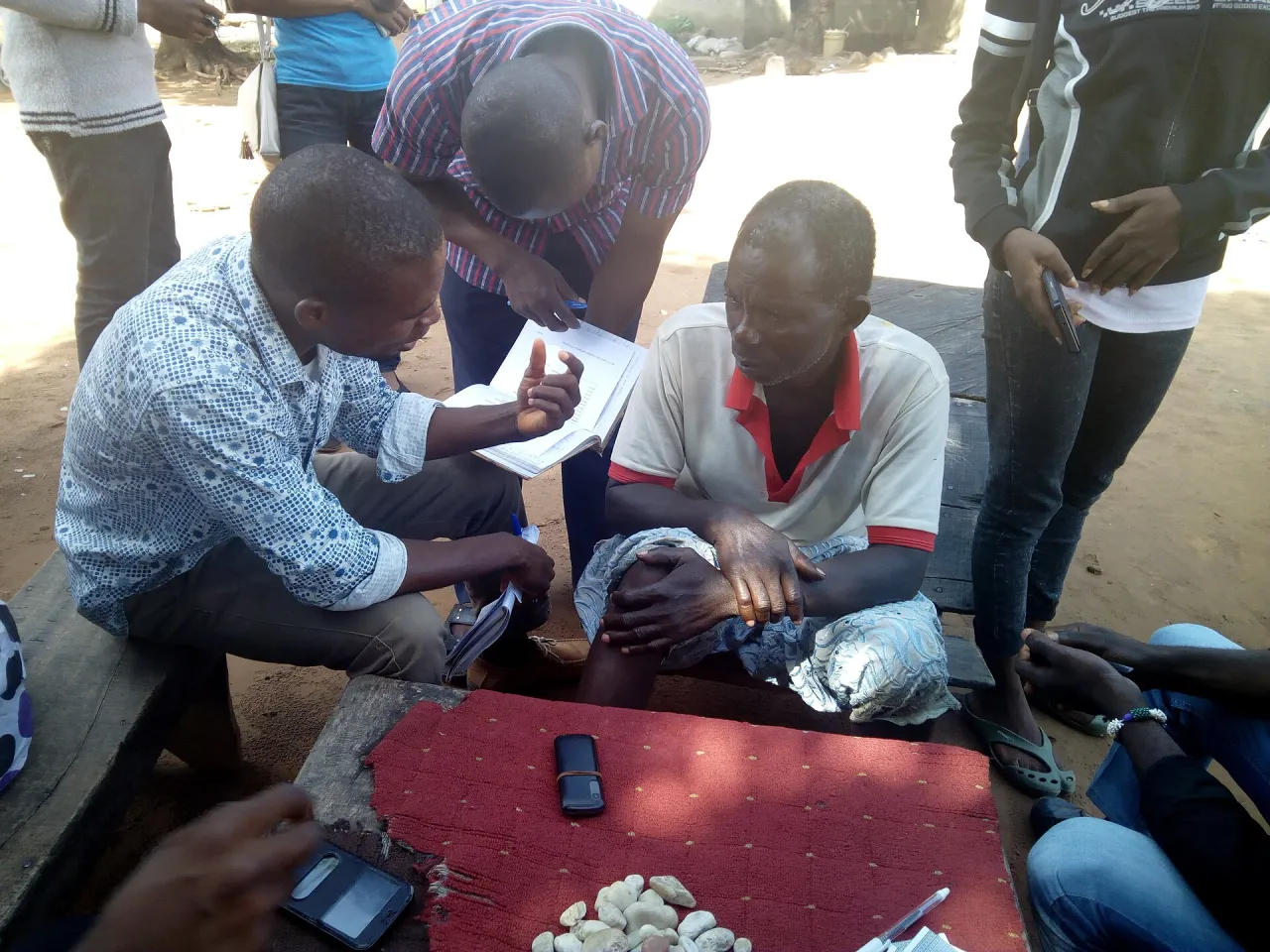
The most important next steps are identifying the official university admissions contact, approved courses, entry requirements, programme accreditation, calendars, fees if published and student-support arrangements. A news headline about the transfer does not establish these details.
Illustrative example: A prospective student in Maiduguri sees a social-media poster claiming immediate admission into several unlisted programmes. The safer action is to ask the appropriate official university office and verify information with the responsible authority. The example is fictional.
Opportunities for local agricultural communities
A functioning institution may eventually support research on local production systems and practical skills. Those possibilities should be assessed by actual projects, published research and collaboration results, not merely projected economic claims. Local businesses also need clarity about how to propose partnerships or student placements.
Agricultural enterprise owners may have real questions about irrigation, processing, transport or market access. Bringing those questions into education can be valuable when institutions and communities agree on responsible research methods. It is premature to attribute specific benefits to partnerships that have not been announced.
How current G-Learning courses relate
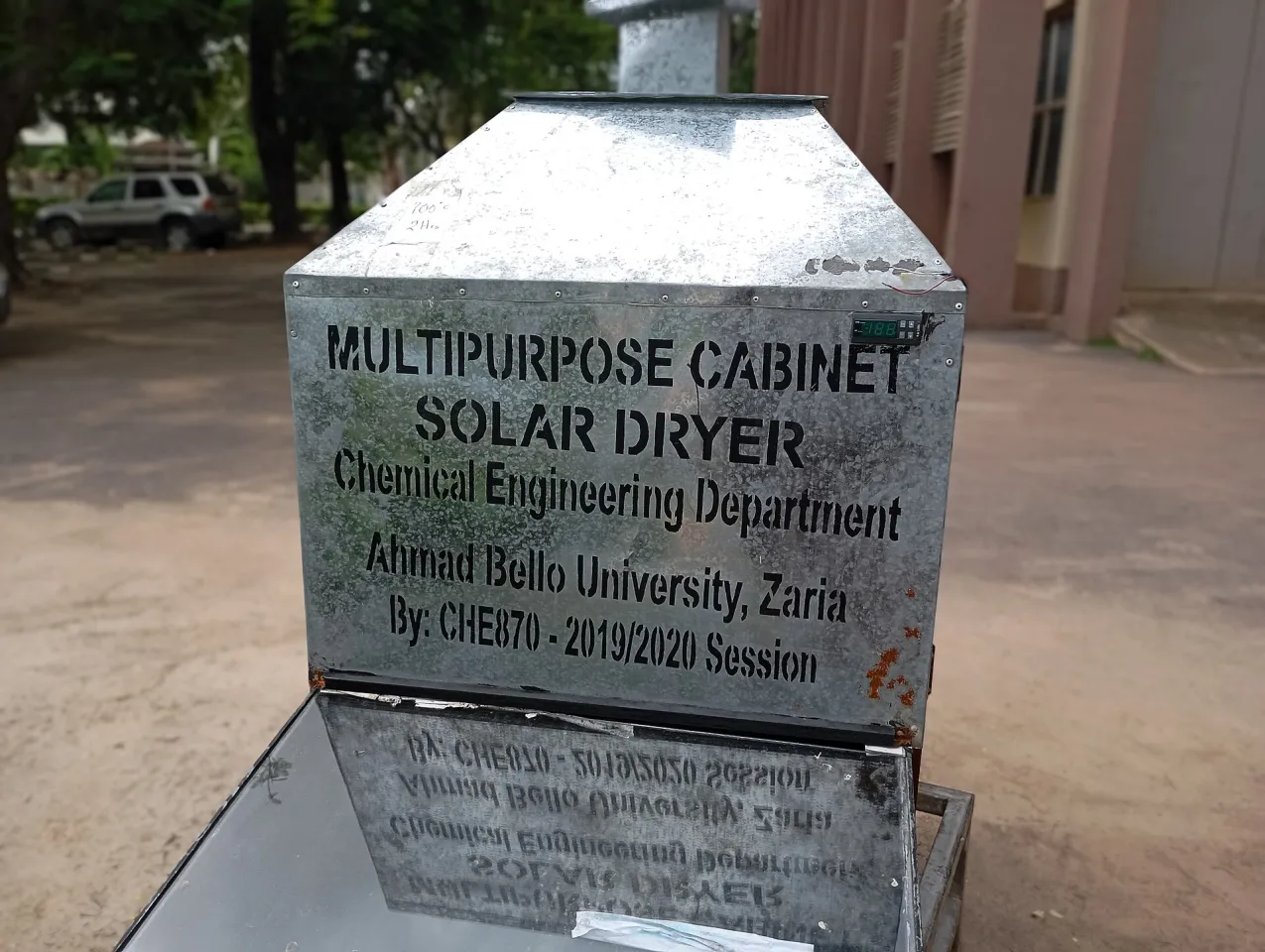
G-Learning Center offers Agri-Business in Nigeria and Entrepreneurship course pages. They may help learners explore related concepts but are not affiliated with, endorsed by or equivalent to degree programmes at the Bama university.
The distinction matters because independently offered online courses and university qualifications have different providers and requirements. Students should assess each resource on its actual published terms.
What to monitor after the transfer
Follow official updates about operational readiness, accredited programme information, student services, campus facilities and partnerships. Do not confuse a ceremony, a deed or an optimistic forecast with evidence of full academic delivery.
The Bama agriculture university campus transfer is a concrete October milestone. Its long-term value will be clearer when institutional promises become accessible, accountable education and research opportunities for learners and the surrounding communities.