

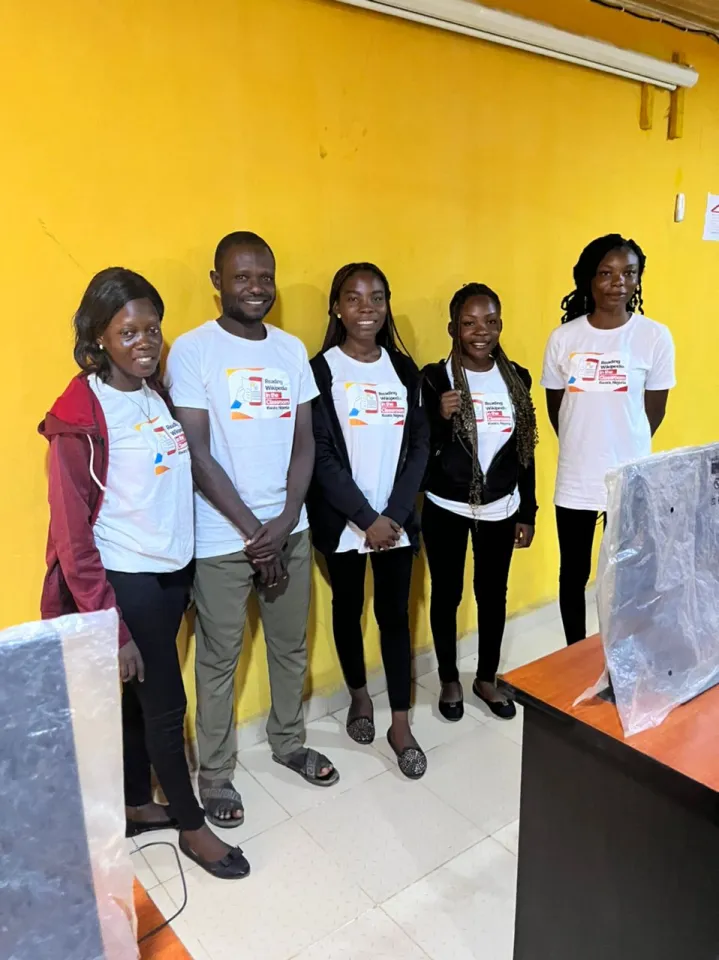
A safe and inclusive schools initiative received renewed attention on 5 October 2026 when the Federal Ministry of Education reported a master-trainers workshop in Abuja, organised with support linked to UNESCO and Japan. The programme focused on safer learning environments, gender-responsive teaching and ICT skills.
Featured image: Bukky658 · CC BY-SA 4.0 · Source
The ministry’s statement offers an important picture of what the training intends to achieve. Yet the fact that educators attended a workshop does not establish that every classroom has changed or that the full intended group of teachers has already received support. Real outcomes require continued follow-up.
What the workshop covered
The official education ministry account describes 45 master trainers drawn from 15 teacher-training institutions. It says they were being equipped to share knowledge in areas including safer school environments, preventing and responding to school-related violence, gender-responsive pedagogy and technology integration.
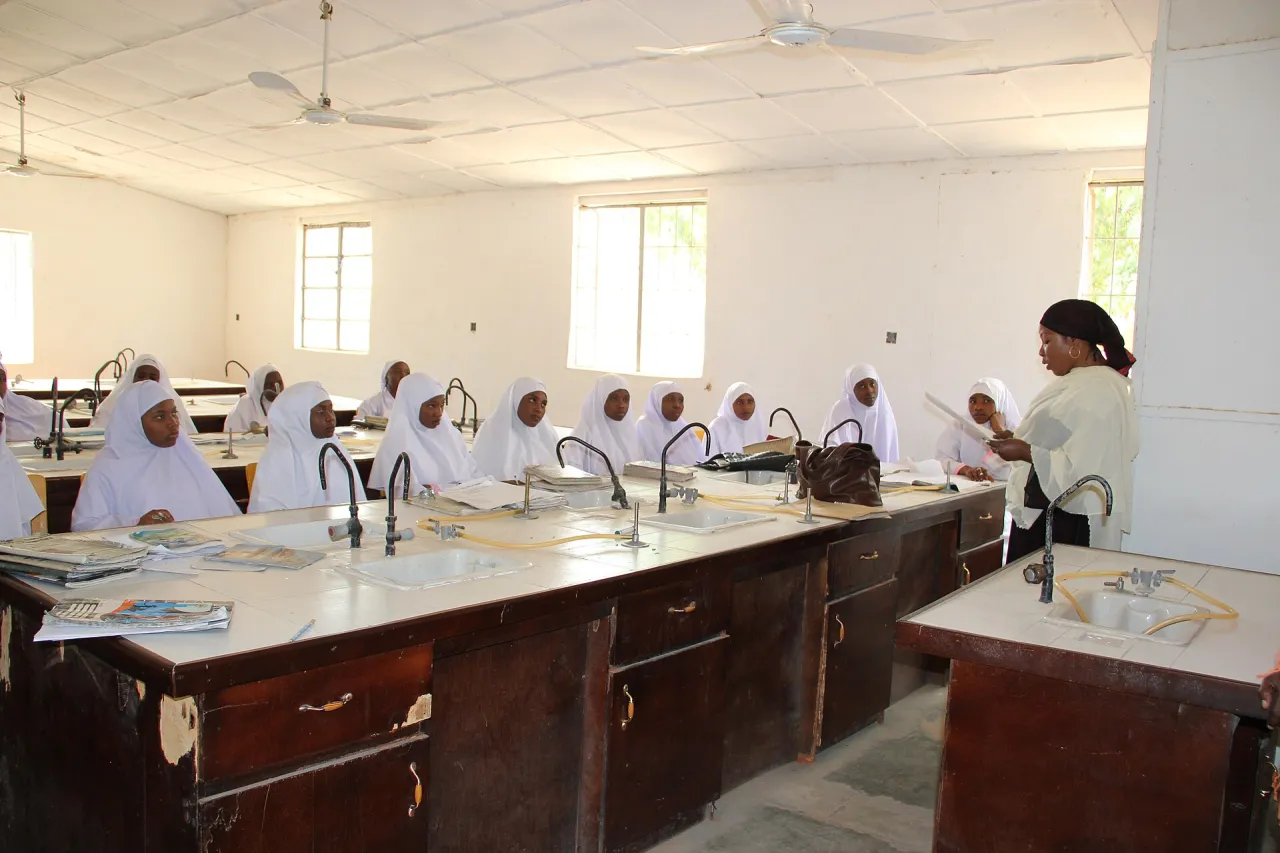
The ministry stated an expectation that the learning would reach about 500 teachers and educators. This is a projected outreach figure rather than evidence that all those individuals have completed training. It is important to keep reported participation and future targets separate.
Safety is part of meaningful education
A learner who feels threatened, excluded or unable to seek help may find it difficult to participate in lessons. A safe school requires more than a noticeboard; it depends on well-understood reporting channels, prepared adults, respect and appropriate response to concerns.
UNESCO’s inclusion in education resource examines why educational systems must respond to diverse learner needs. A school should not assume that one teaching method or support arrangement is suitable for every pupil. Decisions about child protection must follow applicable safeguarding procedures and trained professional guidance.
Gender-responsive teaching needs practical attention
The goal of inclusive instruction is not simply to announce that every student is welcome. Teachers can examine classroom participation, who receives feedback, how examples are chosen and whether learners can ask questions without embarrassment. Improvements need to be based on observation and appropriate institutional policies.
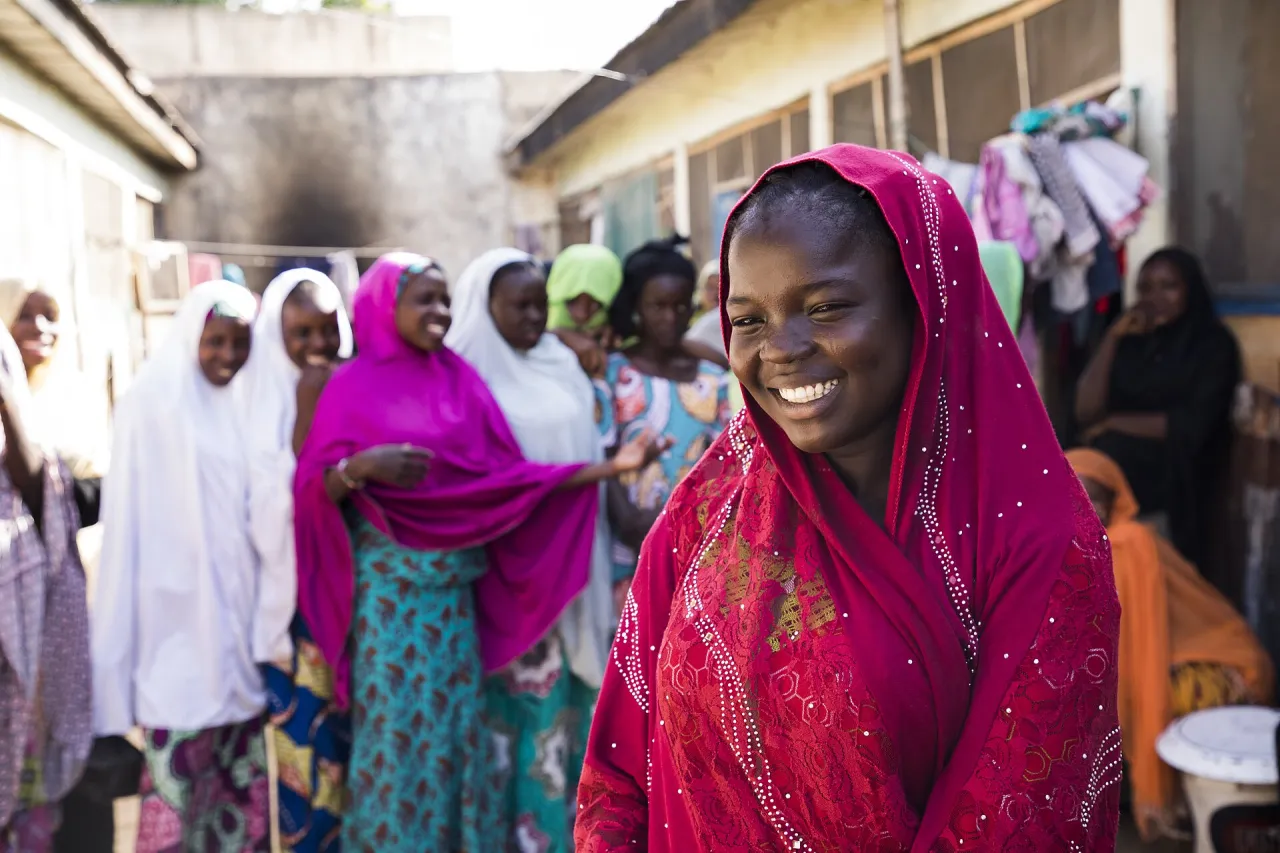
Illustrative example: A class teacher in Kwara notices that only a small group answers most questions. The teacher tries a structured discussion that gives others a chance to participate. This is a fictional learning example, not a report about a real school or a prescribed national teaching standard.
Technology works only when teachers can use it
The ministry’s announcement referred to ICT equipment for participating teacher-training institutions, including projectors, smart boards and tablets. Equipment can support teaching, but using it well requires technical confidence, appropriate lesson design and support when problems occur.
The ILO guide to digital and blended training describes planning learning activities across delivery formats. That broader point matters for educators: a digital device should serve a clear learning purpose rather than become a substitute for teaching, assessment and interaction.
What master trainers must do after a workshop
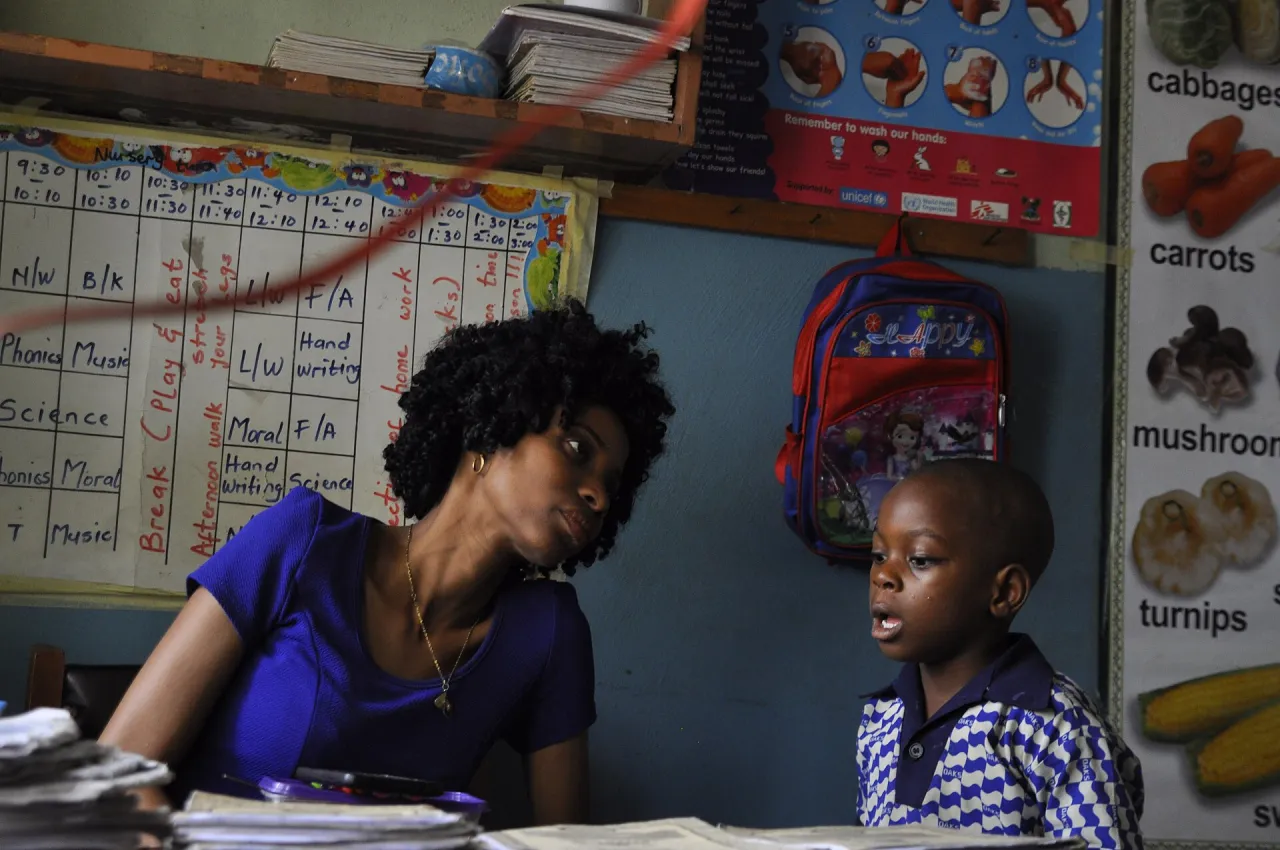
Training other educators means making concepts understandable, responding to practical constraints and adapting activities responsibly. Schools may need follow-up coaching, training materials and ways to assess whether techniques are being used. A one-day demonstration alone does not guarantee sustained results.
Illustrative example: A teacher-training college prepares a short peer session on how to identify when learners need further support. Participants practise using a fictional classroom scenario and agree to review their understanding. No real child’s private experience should be shared publicly as a teaching example.
Parents and learners still need reliable channels
Families should know where school safety concerns may be raised and how to find official support. Students should receive guidance that respects dignity and privacy. Any allegation involving a child’s safety requires the appropriate safeguarding response; it should not be handled through public social-media debate.
An announcement of a new training initiative is not proof that a particular school has adopted every recommended measure. Parents should ask their own institution about its current, applicable practices and seek professional help for urgent concerns.
The role of ongoing professional development
The initiative highlights an enduring challenge: teachers need opportunities to build practical skills while managing everyday classroom responsibilities. Useful support should connect training with teaching tasks, feedback and adequate resources. Improved digital ability and inclusive instruction must develop together rather than compete.
G-Learning Center offers Performance Management and Website Designing as independent learning subjects. These are not represented as components of the ministry’s workshop.
What to monitor as the programme develops
Future information should clarify the number of educators actually reached, whether support continues after workshops and how institutions assess changes in practice. The ministry’s original targets should be compared with verified implementation results, not repeated as achievements before they happen.
The safe and inclusive schools initiative is a timely reminder that genuine education reform reaches the classroom through people, not announcements alone. Clear evidence, respectful teaching, child protection and thoughtful use of technology will matter more than the publicity surrounding a single workshop.