


The technical college CBT pilot conducted during the 2026 entrance examination cycle signals increased attention to computer-based assessment in technical education. A Federal Ministry of Education report published in July and updated in September described the exercise alongside the National Common Entrance Examination for entry into technical colleges.
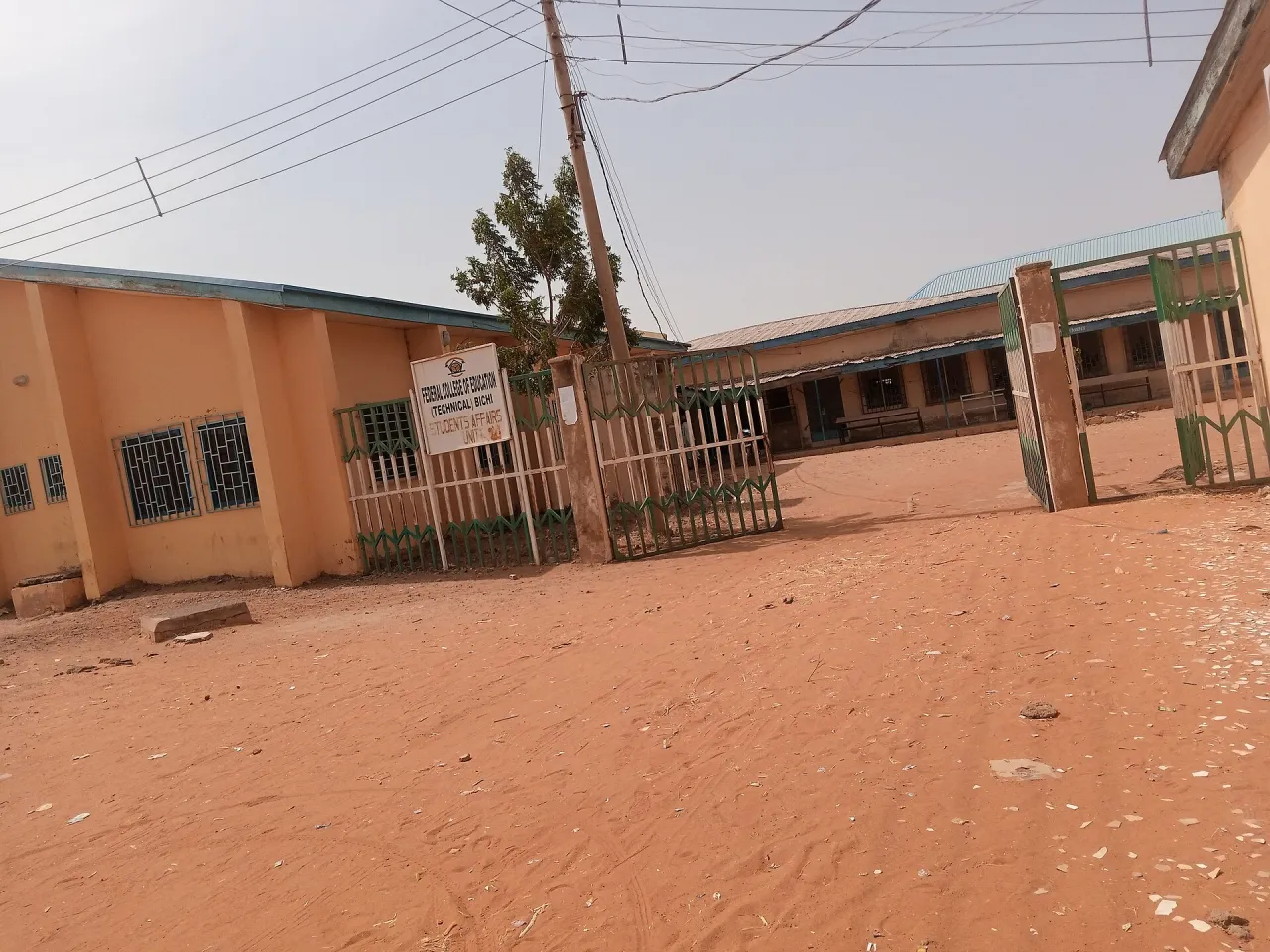
Featured image: Usmaney01 · CC BY-SA 4.0 · Source
The announcement is relevant to students interested in practical training, parents considering technical colleges and educators who support digital assessment. It should not be misunderstood as proof that every technical-college examination will now use computers or that next year’s registration arrangements are settled.
What happened during the 2026 exercise
The ministry announcement described a nationwide entrance examination and a pilot computer-based test coordinated with NABTEB. It identified Federal Technical College, Orozo, and Government Secondary School, Garki, among the locations observed in the Federal Capital Territory.

A pilot tests an approach under particular circumstances. It may help institutions evaluate administration and candidate experience, but a news report does not guarantee the same system, centre network or timetable for future examinations. Students need a dated official notice for the exact assessment they plan to take.
Why digital testing raises practical questions
Computer-based testing involves more than replacing a paper answer sheet with a monitor. Candidates need clear instructions, usable interfaces, reliable supervision and fair arrangements for technical issues. Schools also need appropriate devices, trained staff and supporting infrastructure.
A beginner may be comfortable typing messages on a phone but unfamiliar with navigating a test screen using a keyboard and mouse. Such differences deserve attention in preparation, without assuming that any particular candidate will be disadvantaged or that one training method guarantees success.
The role of official examination notices
The JAMB website is one example of an examination institution providing official computer-based testing and candidate information. That does not make JAMB the coordinator of the NABTEB pilot. Each responsible body must be consulted for its own confirmed rules and support channels.
Students should check the correct examination body for registration requirements, centre information, permitted materials and updated schedules. Avoid paying anyone who claims exclusive access to a hidden CBT centre or guaranteed score.
Practice the digital actions, not supposed leaked questions
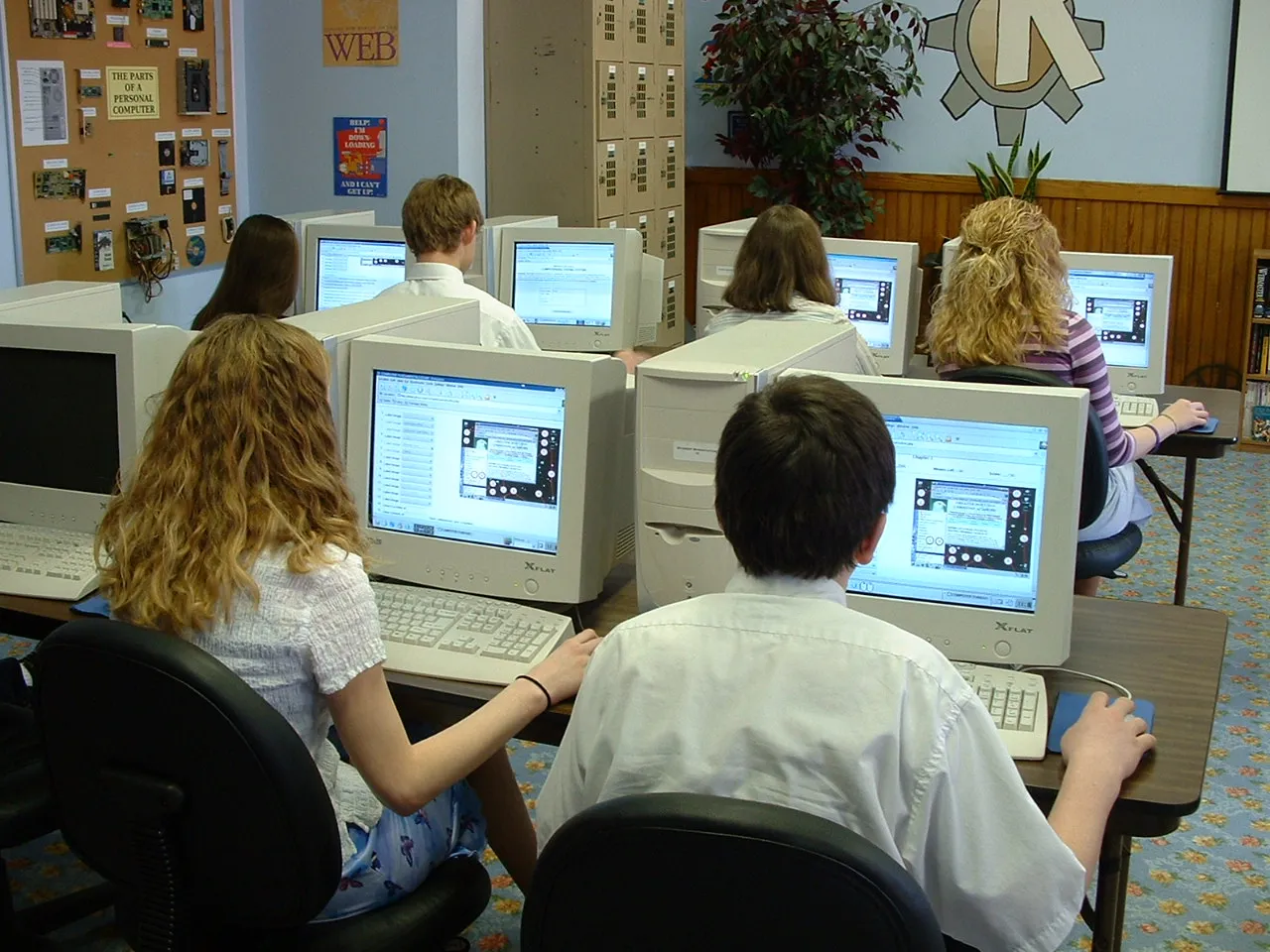
A safe preparation activity can focus on reading instructions, selecting options, moving between sample questions and checking a response before submission. Students should use legitimate practice materials and follow the actual assessment’s published rules. This is not a recommendation to search for leaked tests or bypass examination controls.
Illustrative example: A student at a fictional technical-school preparatory class uses a demo interface to practise reading a question carefully, identifying a selected answer and using a review control. These actions build familiarity with an interface but do not predict performance in a specific exam.
Technical learning also requires hands-on practice
Admission assessments and practical vocational learning serve different purposes. Computer familiarity may help with a test, while technical education still demands supervised training with tools, equipment and professional safety. A modern assessment system should not be mistaken for evidence that all workshops have enough resources.
The UNESCO digital education resource discusses the role of technology in learning. Its broad educational focus supports asking how digital tools serve learners, rather than assuming that putting an activity on a screen automatically improves instruction.
Parents and teachers can support realistic preparation
Support may include supervised computer practice where facilities exist, help with reading on-screen instructions and reminders to verify official communication. Families should avoid sharing candidates’ passwords, registration details or identity documents with unknown tutors or social-media accounts.
Illustrative example: A parent in Abuja asks the school whether learners will have access to a practice computer before the next assessment. The school can provide information about its actual resources rather than promise an arrangement that has not been confirmed.

Where G-Learning fits in
G-Learning Center lists Website Designing and Managing a Successful Business among its subjects. These support broader digital and vocational learning interests but are not official NABTEB admission preparation courses unless the provider explicitly establishes that.
A learner exploring technical education should check accredited institutions, published course details and relevant requirements from the responsible bodies. An article about a pilot cannot replace official college admission instructions.
The next test will be implementation
The technical college CBT pilot is a useful current marker of digital assessment efforts. The important follow-ups are official evaluation results, access arrangements, candidate support and confirmation of future examination formats.
Students should prepare thoughtfully while treating the 2026 exercise for what it was: a reported pilot alongside a technical-college entrance examination. Accurate information and real digital practice are more helpful than rumours about a system that may still evolve.