

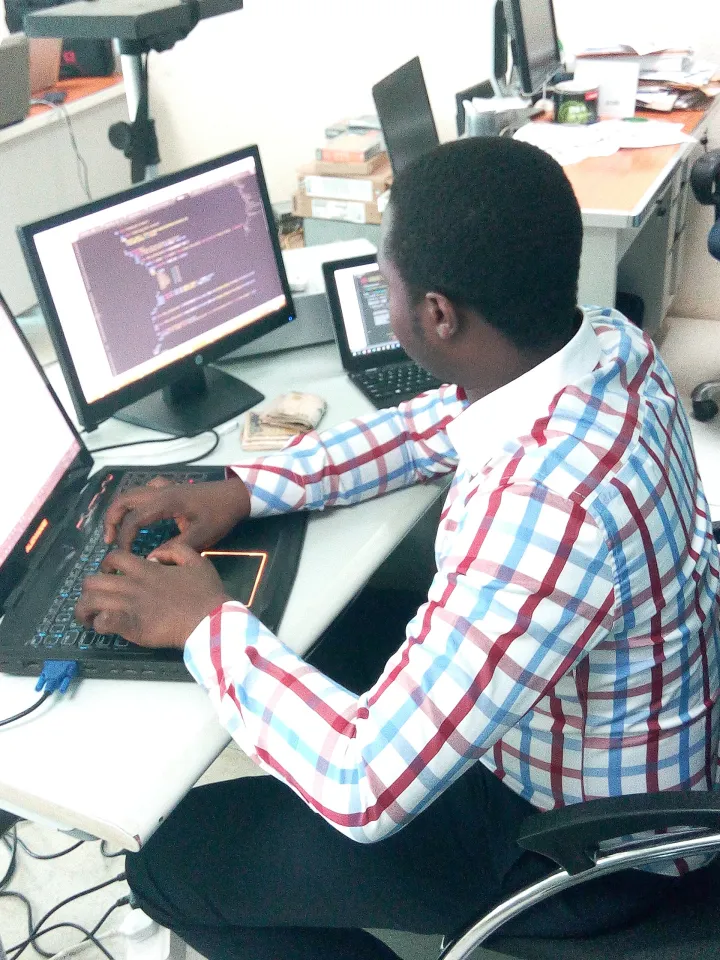
The N-ATLAS AI Challenge has a November 2026 showcase on the official programme timeline. With applications closed, the relevant questions now concern the technical projects, real-world testing and what young developers can learn from the work on display.
Featured image: Jedchela · CC BY-SA 4.0 · Source
N-ATLAS AI Challenge: dates and what is next
The 2026 National AI Innovation Challenge is moving towards a Digital Nigeria showcase scheduled for 8–10 November 2026. The official challenge programme identifies N-ATLAS as the technology that every eligible entry must use. Its application deadline was 12 October, so this is not a new invitation to submit a late entry.
The online page still contains prominent application language, but its dated timeline is explicit: applications closed at 11:59 p.m. West Africa Time on 12 October. Shortlisting and a mentorship phase were scheduled before the November showcase. No winners or completed showcase results can be confirmed from that schedule as of 5 November.
What developers were asked to build
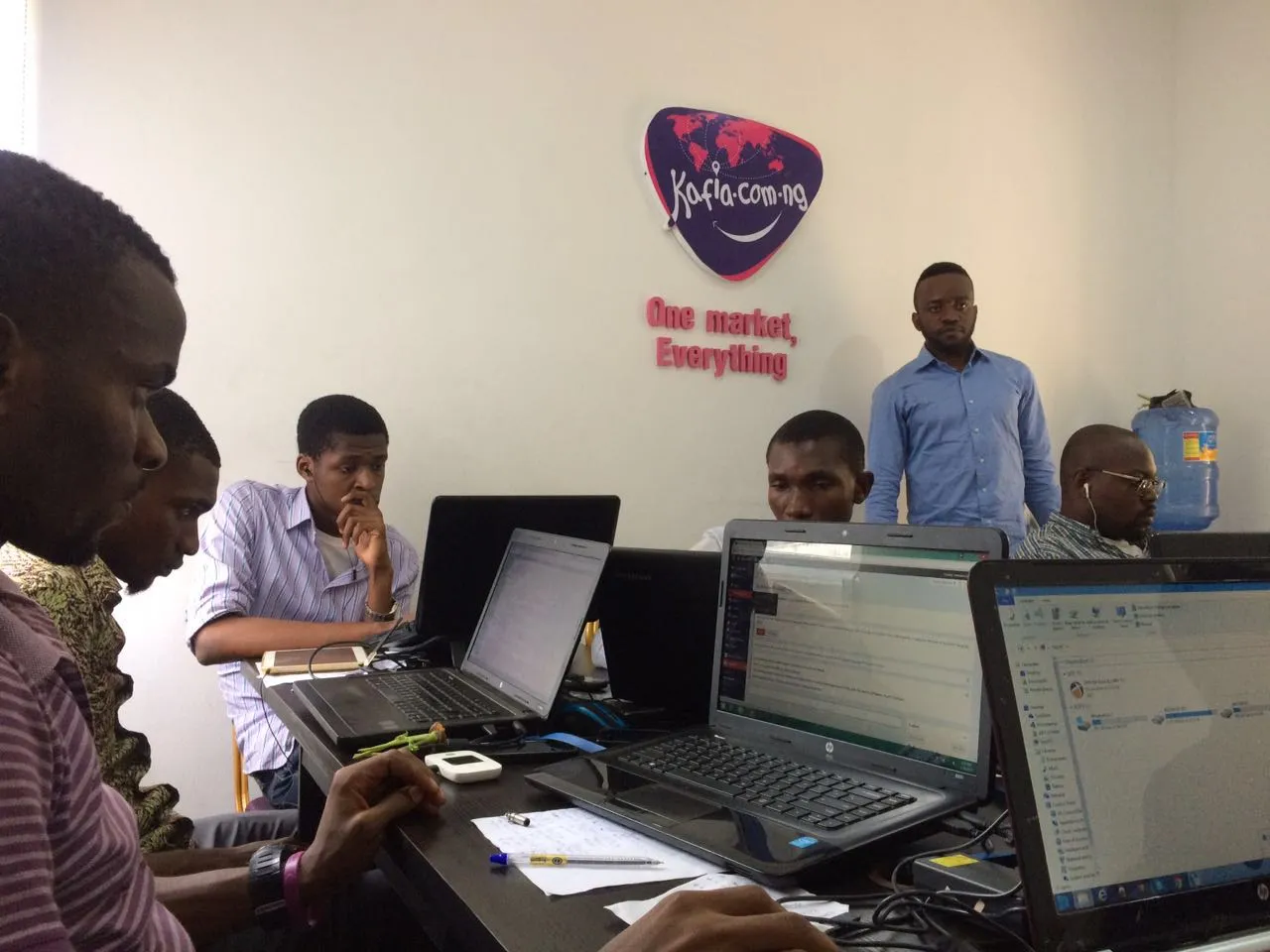
The organisers set out three problem statements: tools that make N-ATLAS easier to integrate, voice-first services for users, and specialised versions adapted to particular fields. These are engineering tasks rather than contests for attractive pitch slides. Every entry must demonstrate a functioning technical artefact using N-ATLAS and meaningful validation.
For example, a developer tool might help a programmer send structured queries to the model and inspect responses. A voice-first service might help users ask questions in a supported local language. A sector-focused model could be assessed against realistic terminology from education, health or agriculture. Those are possible application types, not a claim that they have all been completed.
Why local languages matter
N-ATLAS is described as an open-source multilingual model supporting Yoruba, Hausa, Igbo and locally accented English, with speech-recognition capabilities. The idea is to make relevant applications more accessible to people whose everyday communication does not resemble conventional English-language technology interfaces.
Illustrative example: A learner in Ibadan imagines a voice application that explains basic school concepts in Yoruba. The idea becomes useful only after careful testing of actual language understanding, accuracy and the needs of intended users. A model supporting a language in principle does not mean every response is correct.
What counts as real-world validation
The official challenge requirements reject proposal-only presentations without working builds. They ask teams for evidence such as external testers, documented interactions or benchmark evaluations appropriate to the selected category. The organisers also request technical documentation and a short demonstration video.
Illustrative example: A student team builds a classroom query tool and asks consenting volunteers to try it. The team records errors, confusing answers and whether the tool solved a specific task. Invented user counts are not acceptable evidence for a competition; actual validation should be documented honestly and with proper privacy safeguards.
The two participation tracks
The announced competition includes an academic and research track and an innovation and enterprise track. Different evidence and endorsements are required depending on whether applicants are university teams, organisations or individual innovators. Teams should rely on the published criteria rather than a social media summary.
Participation in a technical challenge does not grant a degree, an official professional licence or permission to process sensitive information without appropriate controls. Learners following the showcase should distinguish a prototype from a production-ready public service.
What visitors can learn from the November showcase
The planned showcase can be an opportunity to study how teams explain technical decisions, measure results and handle limitations. A learner should ask what problem was solved, which people actually tested the system, whether N-ATLAS was central to the build, and what the developers found difficult.
The World Bank Digital Jobs and Skills brief describes digital tools, content and risk management as part of wider digital capability. That is useful context for understanding why demonstrations should include responsible evaluation, not just a model’s ability to generate impressive sentences.

Build skills without pretending to join a closed contest
If you missed the application deadline, you can still practise on your own permitted projects. Start with basic programming, documentation, model evaluation or designing a simple interface. Use mock or consented data, read any open-source terms and do not claim official challenge participation if you were not accepted.
The UNESCO-UNEVOC overview of digital competence frameworks gives another perspective on skills for learners and citizens. Understanding technology, communicating clearly and identifying limitations are useful learning goals alongside coding.
Connect the development to existing courses
G-Learning Center already lists Website Designing and Digital Entrepreneurship and Business Model. These resources cover related starting subjects but are not official N-ATLAS challenge training or proof of eligibility.
For the forthcoming showcase, rely on the event organiser’s actual announcements for access, participants and results. The N-ATLAS AI Challenge is most valuable to students when it sparks careful questions about working software, language inclusion, real users and measurable quality rather than predictions about who will win.