

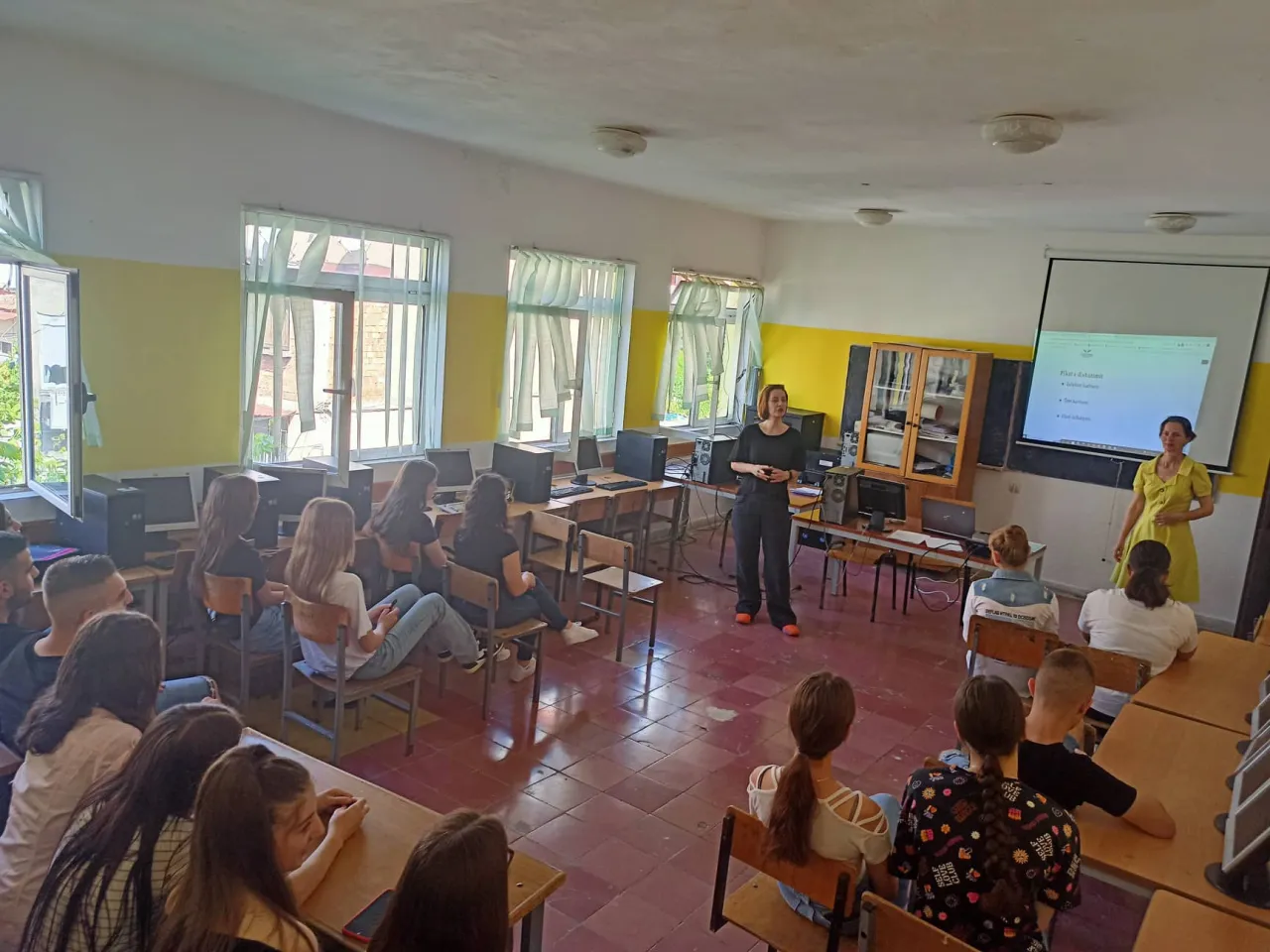
A learner can list many skills on a CV but still struggle when asked for one convincing example. A career skills evidence map helps connect a desired role with specific tasks, proof of work and gaps that still need practice. It is a learning exercise rather than a job-placement service or a promise of employment.
Featured image: Vyolltsa · CC BY-SA 4.0 · Source
Imagine a Nigerian graduate interested in an administrative assistant role. The person may have learnt spreadsheets, communication and basic file management, yet need to explain how those abilities were used. The examples in this guide are illustrative; no employer or vacancy is being represented.
Choose one role rather than every possible career
Begin with a broad role you understand, such as office administration, junior website support, customer-service coordination or an entry-level business analyst position. Examine several actual role descriptions when available, but check their authenticity and do not copy requirements from a suspicious advertisement. Write the common tasks in your own words.
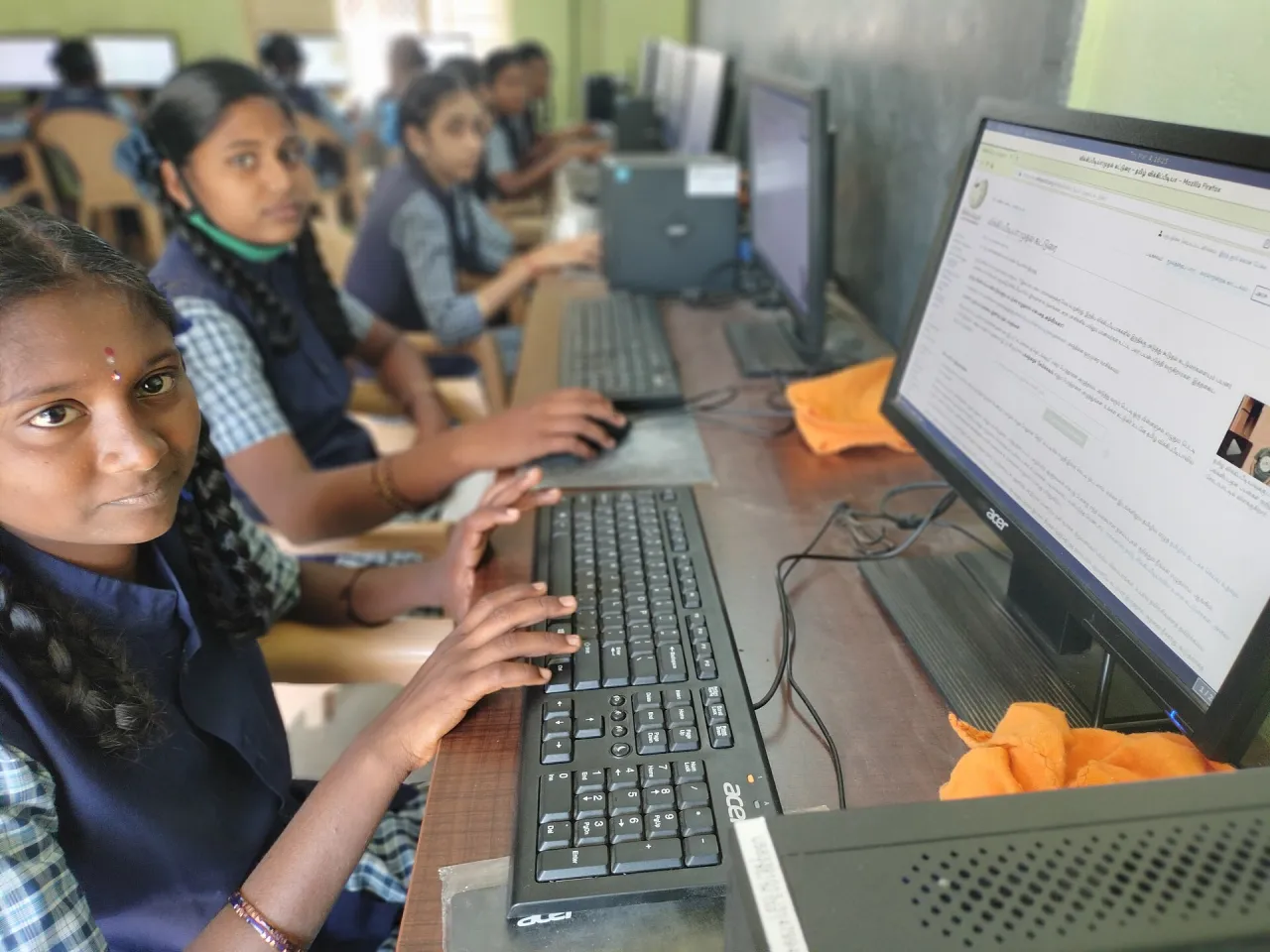
For an administrative role, these might include organising a register, drafting a clear customer message and verifying spreadsheet totals. These are examples, not universal requirements. If you are considering a regulated profession, seek official qualification information before assuming a particular course is sufficient.
Separate claimed skills from observable evidence
Draw four columns: job task, skill required, evidence available and next improvement. A statement such as ‘I am proficient in Excel’ is hard to judge. A small, fictional expense tracker with tested formulas and a written explanation gives somebody a clearer basis for discussion.
Illustrative example: The learner identifies ‘prepare weekly reports’ as a desired task. Their evidence is a one-page summary from a made-up dataset. The remaining gap is learning to check data for missing entries. This is more actionable than assigning themselves an unsupported proficiency rating.
Understand what digital competence can include
Digital work is broader than software names. Learners may need to find information, communicate responsibly, create readable content, troubleshoot simple problems and protect data. The UNESCO-UNEVOC digital competence frameworks provide a reference point for how such abilities are described for different groups.
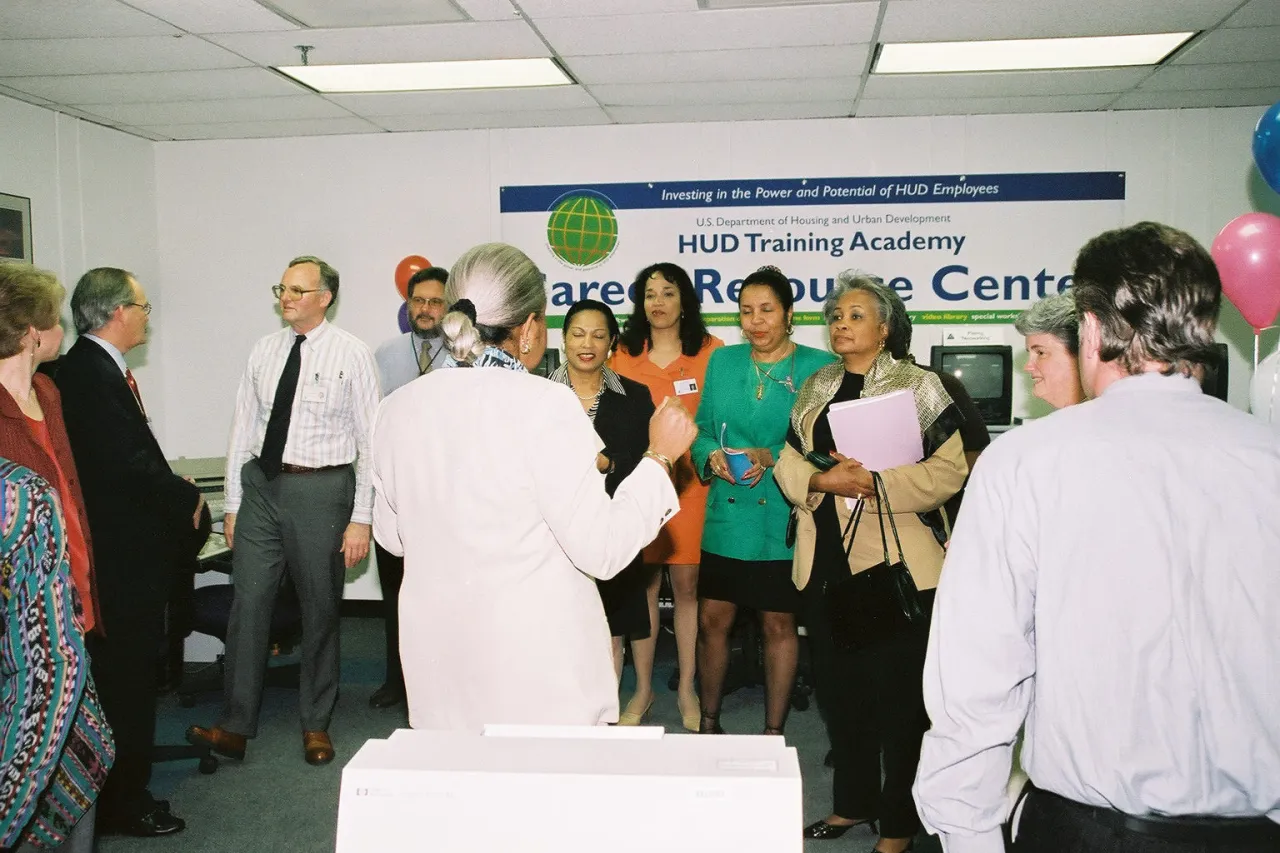
Choose evidence that fits the task. A student who wrote a clear help guide might demonstrate communication; someone who reviewed a spreadsheet can show error checking. Neither example should be presented as proof of every aspect of digital expertise.
Use a manageable learning sequence
Pick one skill gap at a time and decide on a short practice project. Explain what the finished example must do and how you will know it works. Keep versions so that a reviewer can see improvement. Avoid collecting dozens of unfinished templates merely to increase the number of items on your CV.
The ILO practical guide to digital and blended training discusses structured approaches to skills development. Its broader principle supports deliberate learning plans rather than random course hopping; the guide does not prescribe any individual career timetable.
Ask for feedback from someone who can inspect the work
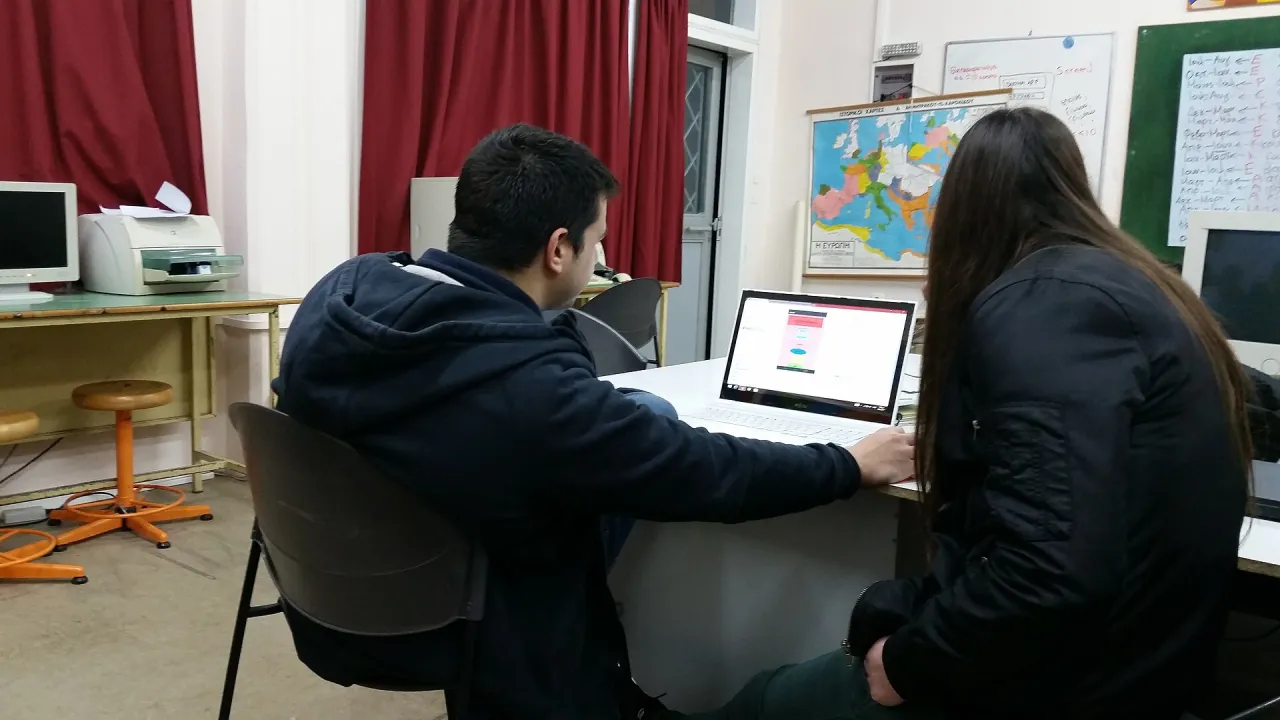
Share a sample with an instructor, classmate or experienced professional who has agreed to review it. Ask them to check specific behaviours: Is the report readable? Does the formula work? Are the instructions accurate? Record their suggestions and decide what to revise. Do not represent friendly praise as independent professional certification.
Illustrative example: A peer notices that the learner’s weekly report has no explanation for missing data. The learner adds an uncertainty note and documents that correction. The evidence map now describes not just the output but the review that improved it.
Show progression rather than perfection
An entry-level candidate may have only basic examples. That is acceptable when clearly labelled. Describe whether work was independent, guided, collaborative or assisted by a tool. Never share confidential records from a former employer, and do not present a classroom simulation as a paid client project.
The World Bank’s Digital Jobs and Skills brief discusses leveraging digital tools, creating solutions and addressing risks associated with digital activity. A skills map can help you reflect on those broad categories without claiming that a particular project guarantees access to digital jobs.

Connect the map to real learning options
G-Learning Center lists Website Designing (Full Course) and Managing a Successful Business (Full Course). The subjects may be relevant to different goals, but you should examine actual course pages for scope and terms before deciding what to study.
Start with the gap that matters to your chosen role. If a course teaches something different, it may still be worthwhile, but do not describe it as a required qualification without authoritative evidence.
Review your map as your interests change
Every few weeks of actual practice, mark evidence that has improved, replace weak examples and identify the next task. A career skills evidence map should be a living learning document rather than a permanent label. Remove outdated links, and check that shared examples open correctly on another device.
A convincing career story does not require exaggerated claims. It requires a clear target, relevant examples and the ability to explain what you can do today, what you are still learning and why the work matters.