


A business plan can contain polished charts and still rest on guesses that nobody has examined. An assumption testing worksheet helps beginning entrepreneurs identify which claims require evidence before they spend money. It works for a classroom assignment, a family business idea or a supervised entrepreneurship project.
Featured image: Shixart1985 · CC BY 2.0 · Source
Imagine an invented neighbourhood printing service. Its draft plan claims that students will order every week, suppliers will never be late and every customer will pay immediately. None of those statements should be treated as established facts merely because they appear in a document.
Identify the assumptions hiding behind numbers
Read a plan sentence by sentence and underline claims about demand, prices, costs, suppliers, delivery speed or the ability to keep customers. Turn each into a testable question. ‘There is a market’ is too broad; ‘Will local student groups need a certain type of printing at least once a term?’ can be investigated.

The ILO Start and Improve Your Business programme includes enterprise planning and market-related learning. Its practical relevance is the discipline of reviewing a business idea from several sides before committing resources; this worksheet is an illustrative educational application rather than a prescribed official model.
Rank uncertainty separately from importance
A claim may be important yet already supported by strong evidence, or uncertain but relatively minor. Create two simple columns: consequence if wrong and strength of current evidence. Begin with important assumptions where evidence is weak. Do not assign impressive-looking numeric certainty scores unless a clear method supports them.
Illustrative example: The fictional shop assumes it can obtain paper at a fixed price throughout the year. This may be a high-impact assumption because costs affect quotations. A beginner can flag it for checking with suppliers instead of writing a confident annual price forecast.
Choose a low-cost evidence check
A learner could compare documented supplier quotations, interview prospective buyers with permission or test a small sample of a proposed service. Be clear about what each step can establish. A few interviews may reveal useful objections, but cannot prove demand across an entire city.
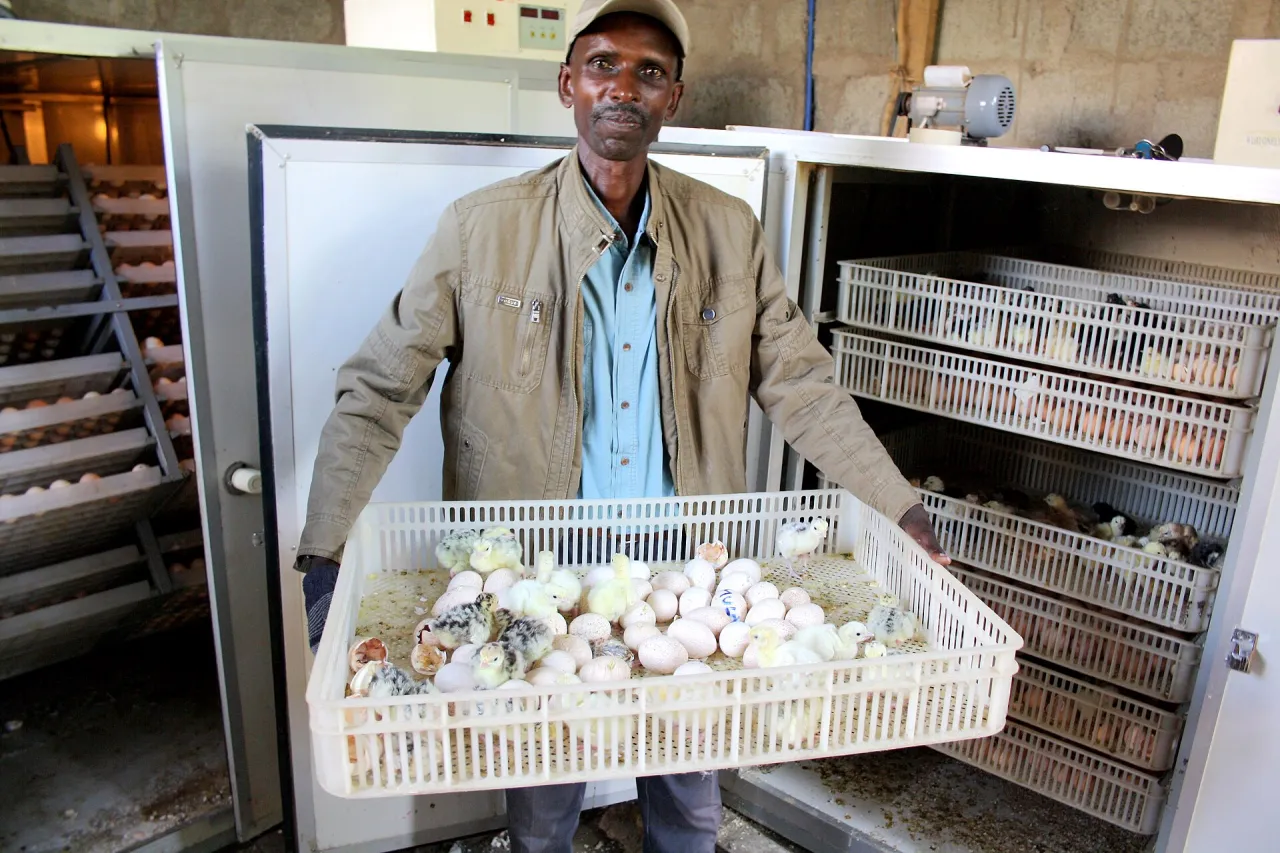
The World Bank SME finance resource discusses financing gaps for smaller firms. This context makes it sensible to avoid large investments on unsupported assumptions, but the source does not prove that any particular test will produce a return.
Record sources rather than just answers
For each assumption, enter the evidence source, date collected, specific observation, remaining limitation and next action. Distinguish a buyer’s stated interest from a paid order. If a supplier’s quotation has an expiry date, note it instead of treating it as a permanent market rate.
Illustrative example: Three fictional suppliers offer different delivery arrangements. A practice worksheet records the options without concluding that the cheapest is necessarily reliable. Its next question asks which service level and quality specifications the proposed business actually requires.
Use a small test to revise the plan
After collecting information, adjust only the claims that the evidence supports. You may change the expected order size, reconsider a price or reduce planned equipment purchases. Preserve the original assumption and write why it changed. A plan should improve through evidence rather than through rewriting numbers to produce a desired outcome.
Where an exercise uses digital surveys or research tools, the UNESCO digital education resource provides broad context for technology-supported learning. Do not infer that a survey platform or AI-generated prediction is automatically reliable; learners remain responsible for checking what information means.
Discuss the limitations openly
A school assignment may have few participants, invented business figures and no permission to conduct a market experiment. That is acceptable when documented. Write ‘not yet tested’ or ‘illustrative’ where appropriate. A professional business plan needs deeper local, operational, financial and legal scrutiny than a short classroom worksheet.
If the idea concerns a regulated product or service, obtain authoritative advice before claiming eligibility or compliance. No general entrepreneurship exercise can establish every requirement of a real business.
Use available G-Learning subjects
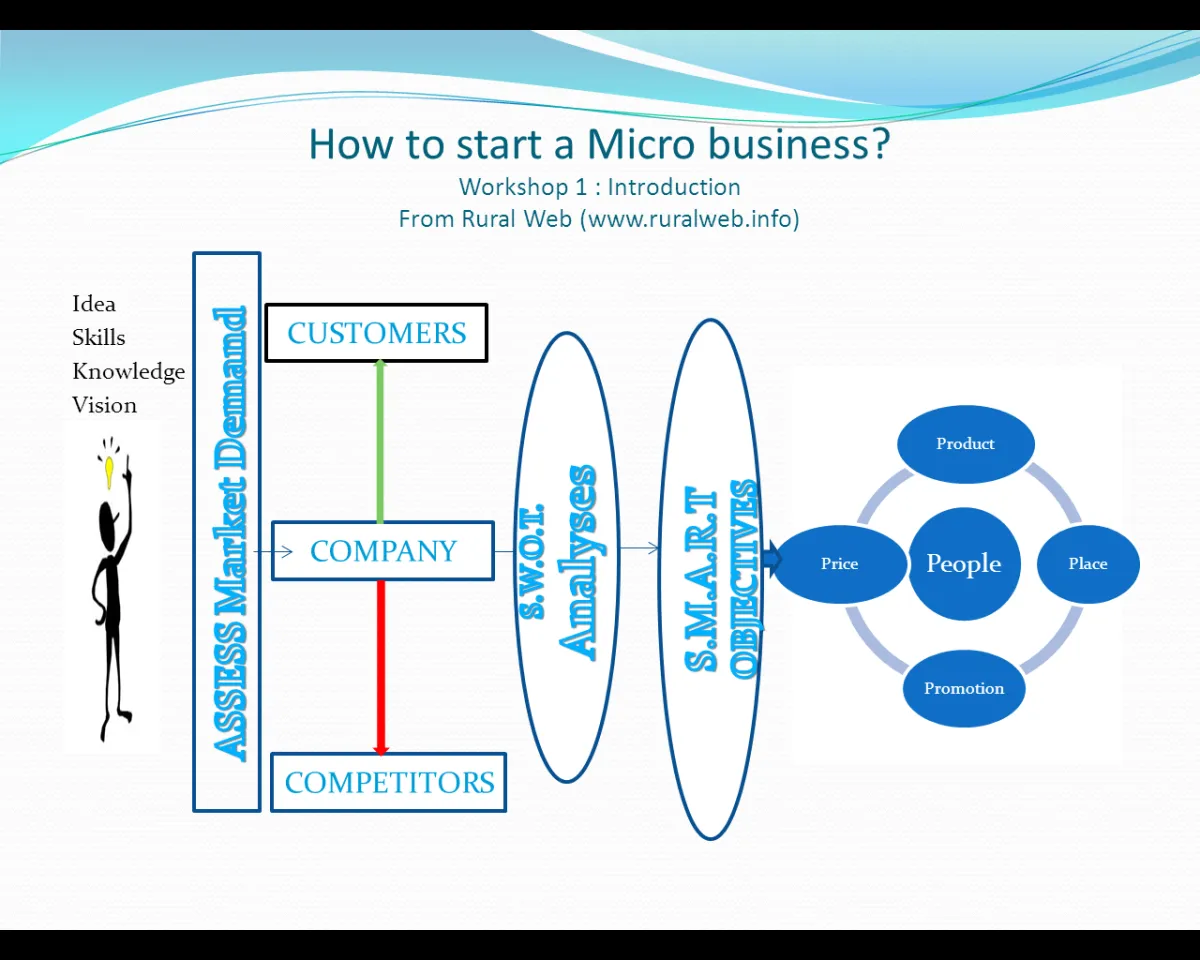
G-Learning Center hosts Entrepreneurship and Marketing Plan Components course pages. Those topics provide useful settings for the exercise; check actual course content and enrolment conditions directly rather than assuming a current offer.
Ask a peer to challenge one assumption constructively. Can they identify the evidence? Does the test answer the original question? Have you mistaken personal enthusiasm for customer behaviour? Revise the worksheet so a different reader can follow your reasoning.
Build a more credible plan one claim at a time
An effective assumption testing worksheet shows the original claim, its significance, evidence obtained, remaining uncertainty and the next sensible decision. A business concept is not disqualified because it contains unknowns; every plan does. The improvement comes from naming them.
For learners, the lasting skill is being willing to change an attractive idea when better information appears. That is more valuable than presenting a perfect forecast that cannot be explained.