


A person may understand the word interest but still hesitate to ask what a financial product will cost. A microfinance customer conversation is a useful classroom role-play for learning to ask clear questions, explain uncertainties and recognise when official information is needed. It does not authorise learners to recommend a loan or speak for a bank.
Featured image: Department of Foreign Affairs and Trade · CC BY 4.0 · Source
The roles below are fictional: a customer who runs a small tailoring business, a financial-service representative and an observer. No current loan product, eligibility rule, interest rate or lending decision is being described.
Begin by understanding the customer’s purpose
Ask what the person hopes to finance, why the purchase is necessary and which costs they have already considered. Avoid turning an initial conversation into a promise of approval. A customer’s goals and circumstances can be more complicated than a short script suggests.

Illustrative example: The fictional tailor wants equipment to take on larger orders. A respectful representative asks how the equipment would be used and what records the customer has, without assuming that projected sales will definitely occur.
Practise questions rather than sales pressure
The learner playing the customer should ask about written terms, total repayment obligations, charges, timing, late-payment consequences and the process for raising a complaint. The learner playing the representative should clearly distinguish what appears in a verified document from what remains unknown.
The Central Bank of Nigeria’s official website is an appropriate starting point when checking current institutional financial information. For any real regulated product, relevant official requirements and the actual provider’s current disclosures must be verified directly. This exercise does not invent those terms.
Use plain language for difficult concepts
If a figure is introduced, explain what it represents and what it does not. A repayment amount should not be treated as affordable simply because it sounds smaller than a monthly income. Practise asking about other costs, uncertain receipts and existing obligations.
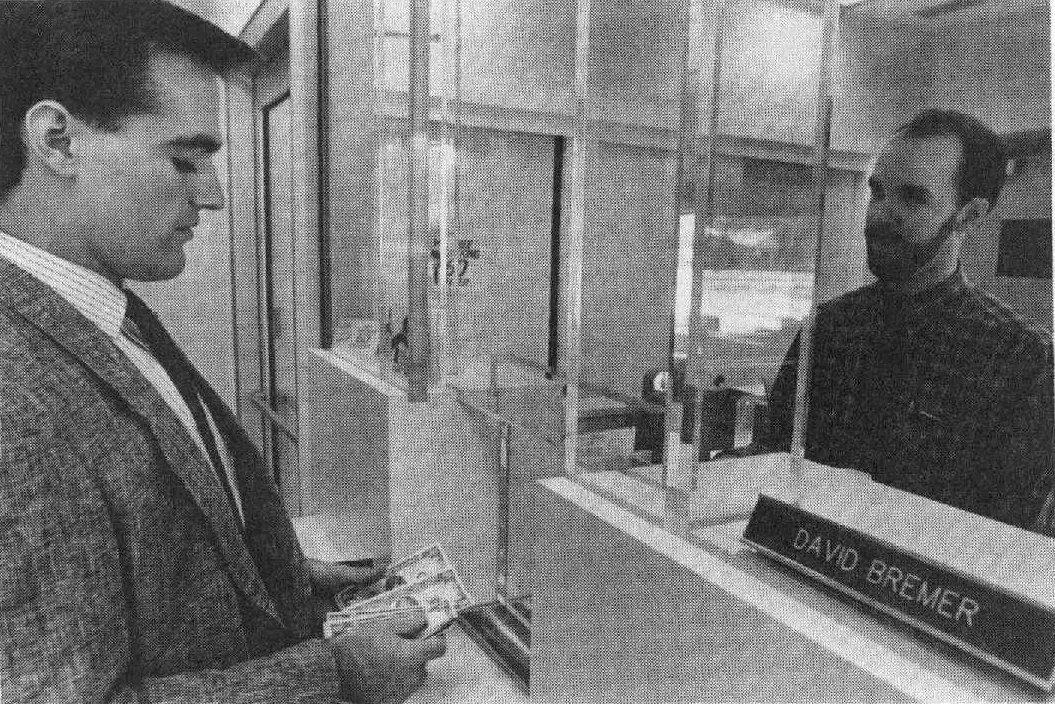
Illustrative example: A hypothetical customer receives uneven monthly payments from clients. The observer notes whether the representative asked about that uncertainty rather than immediately assuming a stable salary. No fictional figure in this exercise forms a real affordability assessment.
Listen carefully and document misunderstandings
After one explanation, invite the customer to describe the information in their own words. If the understanding differs from the written term, clarify it without blaming the customer. Record the question that caused confusion, not private personal details.
The World Bank SME finance overview explains that financial access is a significant issue for smaller enterprises. The educational inference is that clear questions and careful understanding matter when discussing financial options. The source does not endorse a particular provider or communication script.
Create a short role-play checklist
The observer should look for a respectful opening, nonleading questions, honest uncertainty, accurate reference to written evidence, appropriate privacy and a clear next step. Mark each item with examples of what occurred. Avoid scoring a learner highly simply for speaking quickly or confidently.
A clear response can include ‘I need to check the official terms before answering.’ That is preferable to making up a rule, fee or guarantee. Encourage the learner to distinguish between basic education and specialised advice requiring a qualified professional.
Discuss decisions without giving one
The customer may ask whether they should borrow. In the classroom, the representative can explain which evidence and questions deserve attention but should not issue a simulated binding approval. The observer can suggest ways the explanation could become more balanced and understandable.
The ILO Start and Improve Your Business programme covers enterprise planning and management. This can inform the business-awareness side of the conversation: a proposed purchase should be related to realistic operating needs rather than an emotional sales pitch.

Connect practice to actual course resources
G-Learning Center has MCP 1, MCP 2 and Introduction to MCP Training course pages. Their subjects provide a context for professional learning, but this role-play is not an official examination or certification requirement.
Use a fictitious customer record for the activity. Do not ask classmates to share real loan balances, financial difficulties or account details. A secure and respectful classroom should give learners room to practise without disclosing private finances.
Finish with reflection and a second attempt
After the role-play, ask each participant which explanation was clear, which question needed a better answer and which information should be verified independently. Swap roles and repeat with a different fictional concern. The finished microfinance customer conversation should teach intellectual humility as well as communication.
A learner who can ask for evidence, express uncertainty and help someone understand written terms has developed a useful communication habit. A real financial decision, however, belongs with the people and institutions legally authorised and qualified to make it.