

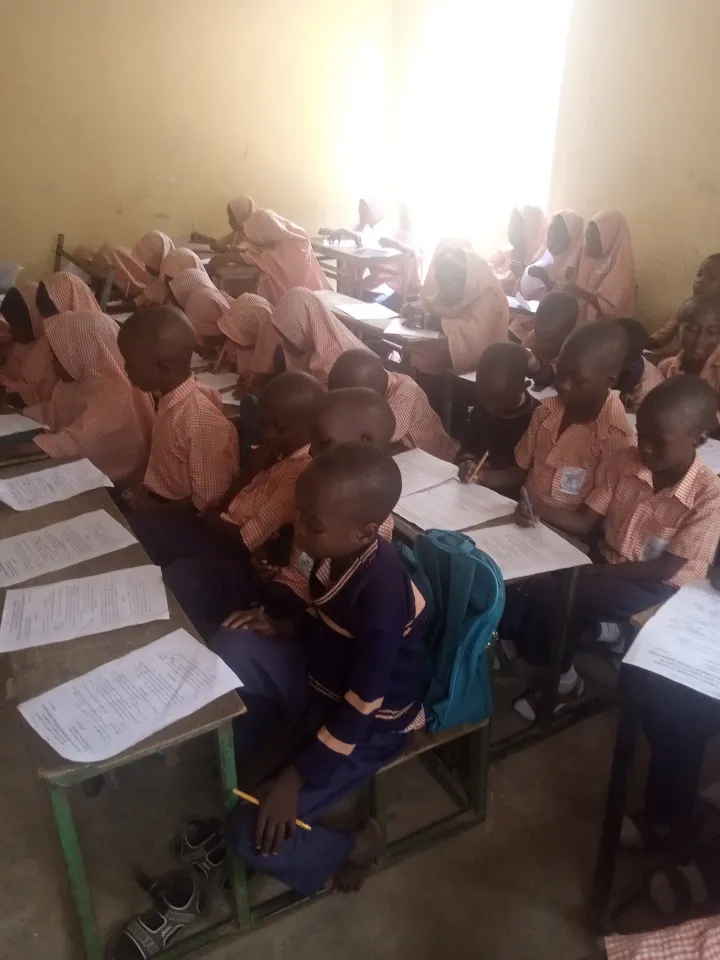
A 2027 examination timetable proposal published by the Federal Ministry of Education on 14 October 2026 has attracted attention because it aims to reduce clashes between major examinations and allow earlier admission processing. For students preparing in Lagos, Abuja, Kano or elsewhere, the dates are useful planning information—but they were presented as proposed, not as an unconditional final calendar.
Featured image: Hafsat Mohammad Sani · CC BY-SA 4.0 · Source
Families should therefore resist circulating screenshots without context. A ministry coordination plan is important, yet individual examining bodies remain the authorities to consult for confirmed registration rules, schedules and candidate notices. No registration fee or eligibility requirement should be assumed from a news article.
What the ministry proposed
The education ministry announcement listed a proposed UTME window of 15–25 March 2027, NECO-SSCE from 1 April to 14 May, WAEC-WASSCE from 11 May to 18 June, NABTEB from 1 June to 5 July and NBAIS from 10 June to 9 July. The plan targeted result availability by August for most of these examinations.
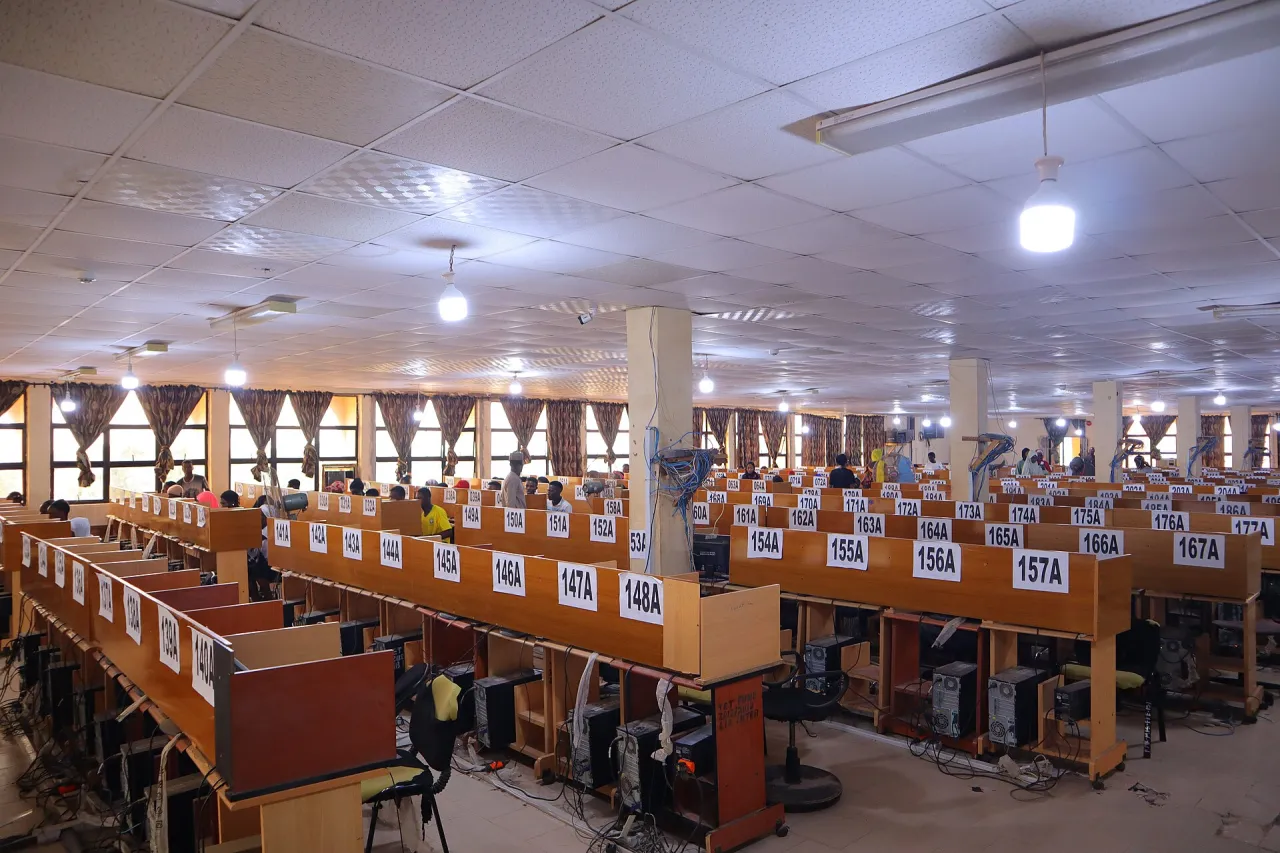
Those are dates reported in the proposal, not a guarantee that every final timetable will be unchanged. Students need to check which specific examination, school category and year applies to them. An examination range does not necessarily mean every candidate sits a paper on every day within the window.
Why synchronising different examinations is difficult
Schools and candidates may have overlapping academic obligations. Different examination bodies also manage registration, centres, subjects, marking and result publication. Coordinating these activities may reduce avoidable clashes, but it requires detailed operational decisions that a single announcement cannot fully capture.
Illustrative example: A student hopes to sit UTME and WAEC in the same year. Their school should use confirmed timetables to plan revision and travel, rather than decide everything based on a proposed date shared through a messaging group. The example does not represent an actual candidate.
Use JAMB and WAEC as primary confirmation channels
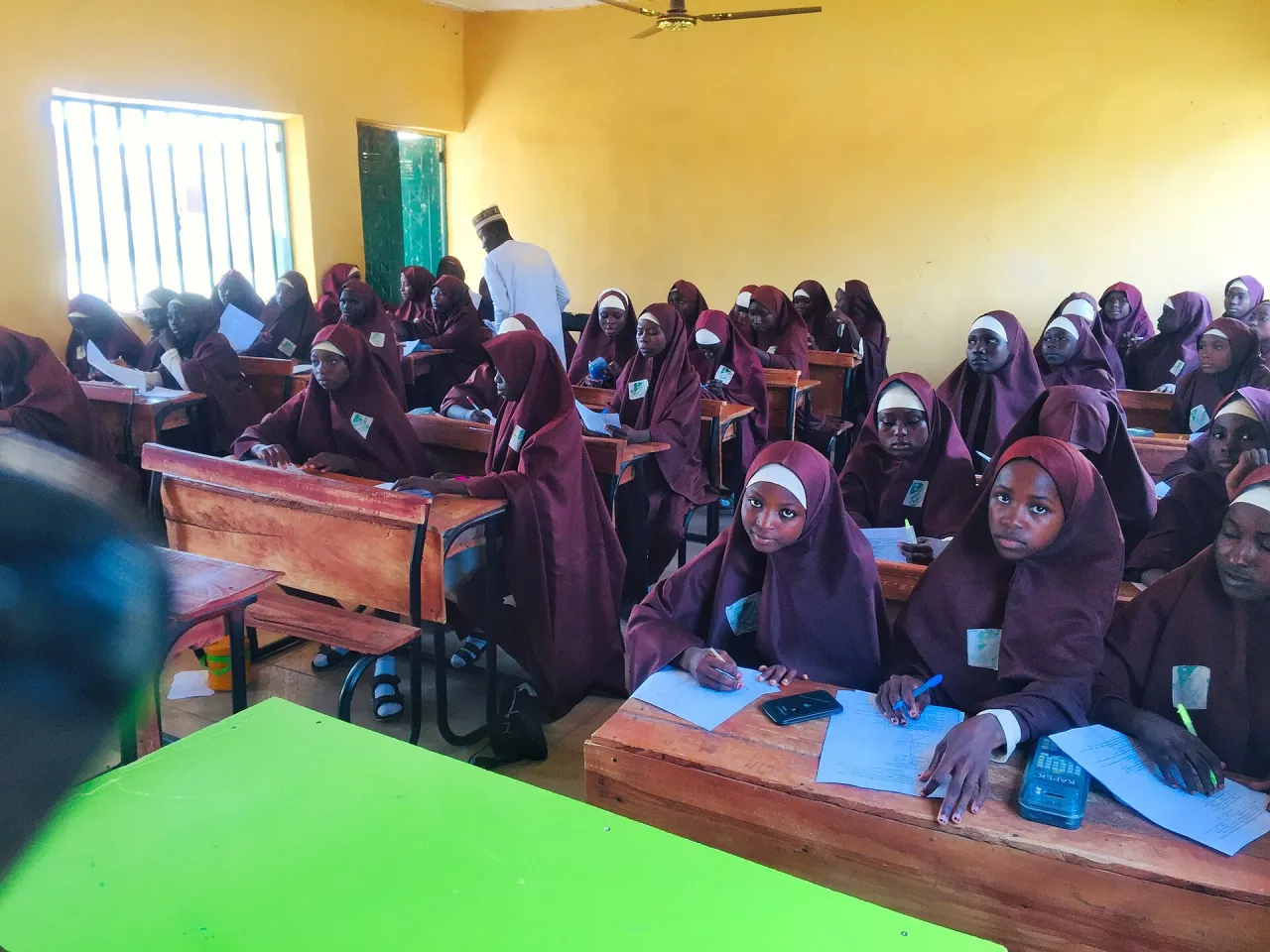
The JAMB website provides an official portal for the board’s systems and notices. The WAEC Nigeria site provides official information and educational services relevant to WASSCE candidates. These institutional sources should be checked directly as the 2027 cycle approaches.
A credible timetable will identify the issuing institution and applicable examination. Candidates should avoid sending personal details to unknown agents who claim to have exclusive access to an earlier or hidden schedule. Verify any payment or registration instruction through the body responsible for it.
A practical study plan while dates remain proposed
Students can prepare without locking themselves into unconfirmed arrangements. Break subjects into manageable areas, use official syllabuses and identify topics that require more support. Give additional time to difficult material, but preserve rest, school work and realistic revision periods.

Illustrative example: A student creates a weekly routine for Mathematics, English and two elective subjects. The routine is flexible enough to change when the school and examination bodies release final schedules. This is not an officially approved revision timetable or prediction of a score.
Why the planned August results matter
The ministry’s stated objective is to support admission processing ahead of the next tertiary academic cycle. Faster results could make planning easier for eligible candidates if institutions successfully implement the proposed coordination. It does not guarantee every learner admission, a particular result date or eligibility for every institution.
Applicants need to distinguish exam results from other admission conditions. Course-specific requirements, institutional decisions and official guidance remain important. Do not rely on an unofficial coaching account for binding admissions rules.
How parents and teachers can reduce misinformation
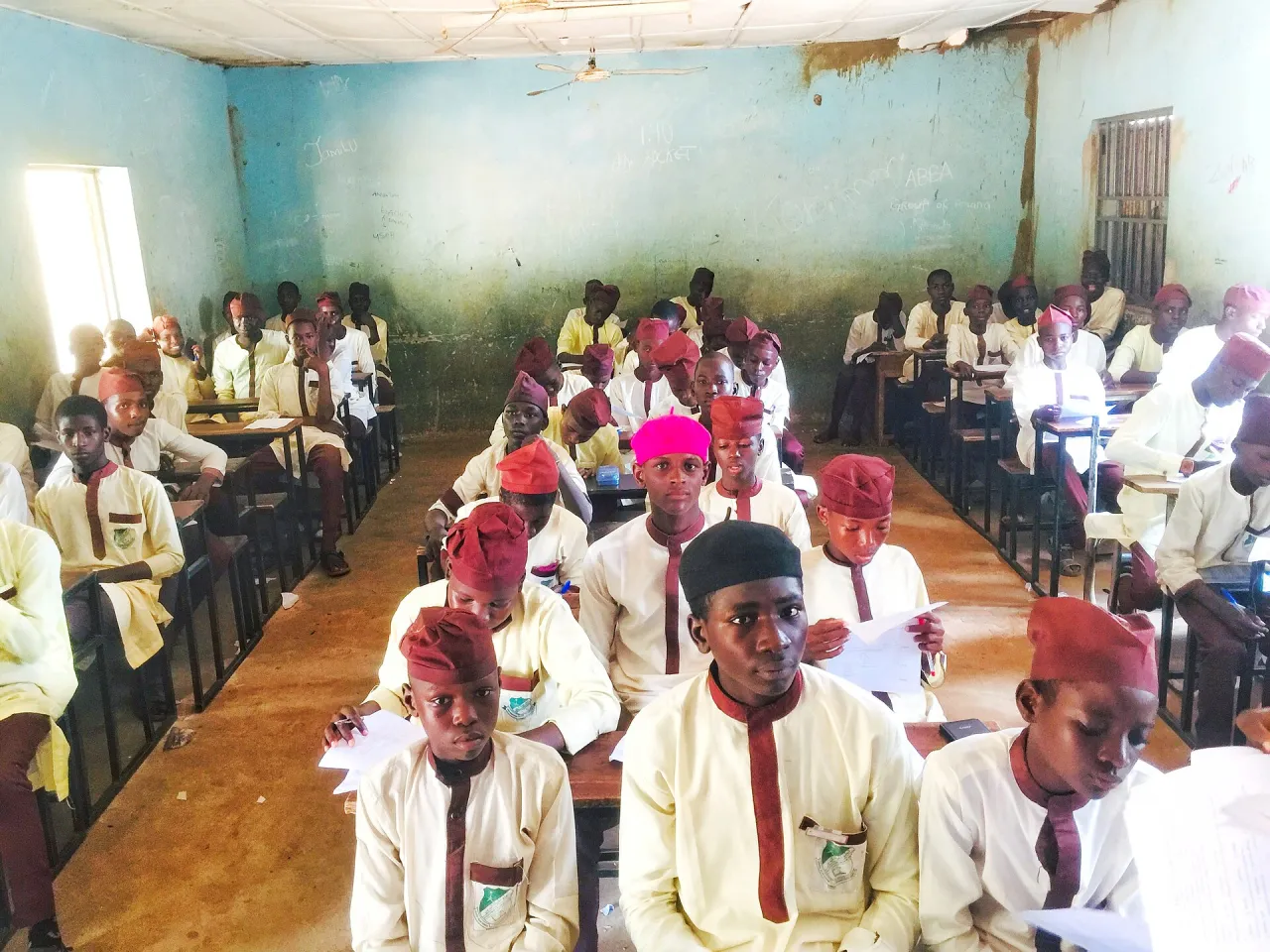
Schools can share dated links to official announcements and identify them as proposals until final. Parents can help younger candidates keep a simple folder containing verified notices, registration records and school communications. Teachers should explain when a published date changes, rather than letting old posters continue circulating.
G-Learning Center’s Website Designing and Entrepreneurship pages are examples of existing digital and career learning resources, but they are not substitutes for examination-body notices or official examination preparation syllabuses.
What to verify before acting
Before paying or travelling, check the final timetable, registration opening and closing dates, required identification, centre instructions and official support channels for the examination concerned. Keep copies of any confirmation from the actual examining institution.
The proposed 2027 examination timetable shows an attempt to improve coordination, but the safest response is flexible preparation and careful verification. A well-informed candidate follows the official agencies and adapts the study plan when confirmed notices arrive.