

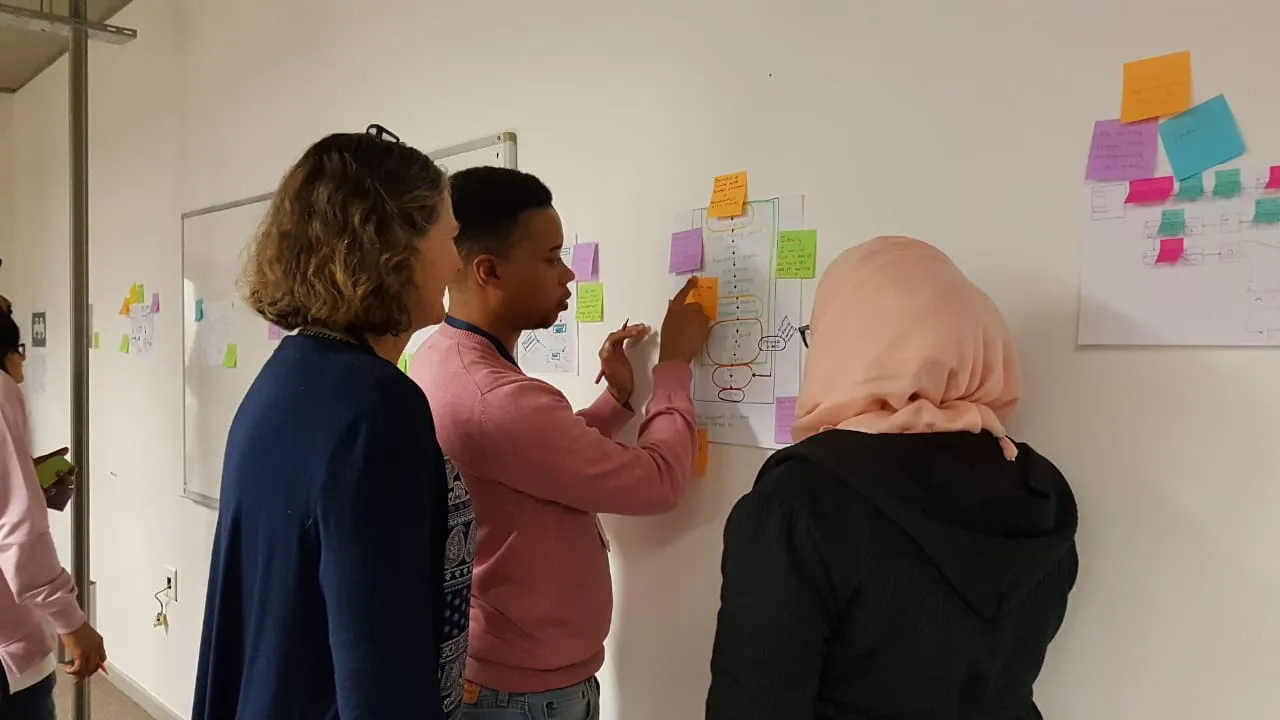
Giving workplace feedback is a skill learners can practise safely before leading a team. It involves describing a specific behaviour, listening to another person’s perspective and agreeing on an appropriate next step. A performance feedback role-play can help learners distinguish supportive, fact-based communication from accusations and vague criticism.
Featured image: UCT MOOCs · CC BY-SA 4.0 · Source
This is a fictional classroom exercise for adult learners and aspiring supervisors. It does not replace workplace policies, employment law or professional guidance for disciplinary cases. The scenarios below are illustrative and should not be used to evaluate real employees without proper authorisation.
Pick a small workplace situation
Choose a neutral task rather than a personal dispute: an employee hands over incomplete notes, a service assistant forgets to confirm an appointment or a team leader receives unclear progress updates. Give each participant the same agreed background facts and avoid a scenario based on somebody’s private experience.
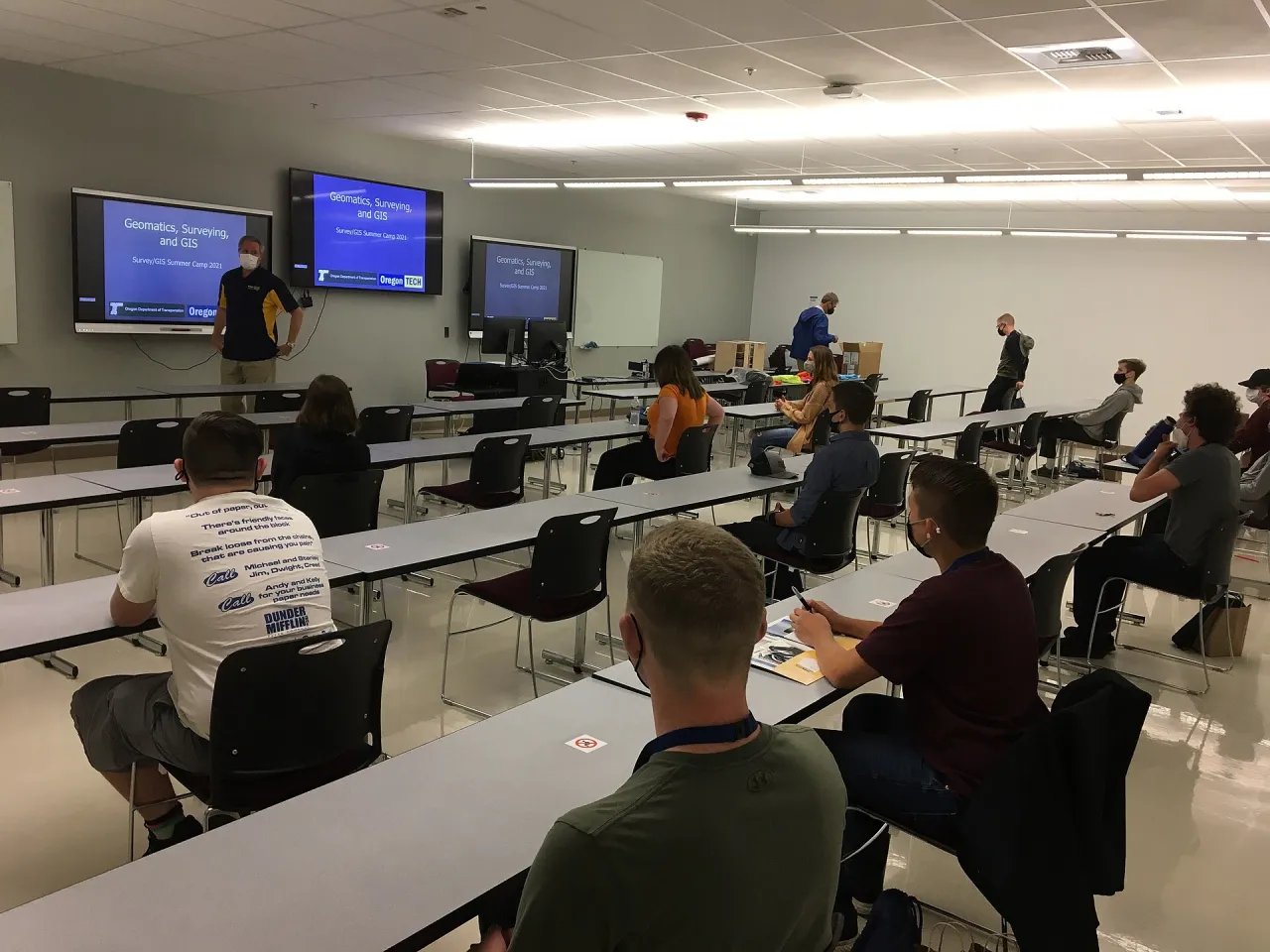
Illustrative example: A fictional service desk worker has left the customer follow-up column empty on three training records. The supervisor’s task is to discuss the specific missing information, ask why it happened and agree on a way to complete future records. Do not assume the cause before hearing the worker.
Assign roles and a clear objective
Have one participant act as supervisor, another as employee and a third as observer. Give the observer a short checklist: Was the opening respectful? Were factual examples used? Did the supervisor ask a genuine question? Was the employee allowed to explain? Did the discussion end with a clear next step?
The ILO Start and Improve Your Business programme includes people and enterprise management as practical learning subjects. A guided classroom conversation can provide space to rehearse communication techniques, but the ILO programme should not be misrepresented as prescribing this exact role-play script.
Practise a fact-based opening
A poor opening attacks personality: ‘You are always careless.’ A stronger opening describes an observed task and its effect: ‘The follow-up field was blank on these sample records, so the next person could not see which customer needed a reply.’ The participant should speak calmly and avoid revealing unrelated private details.
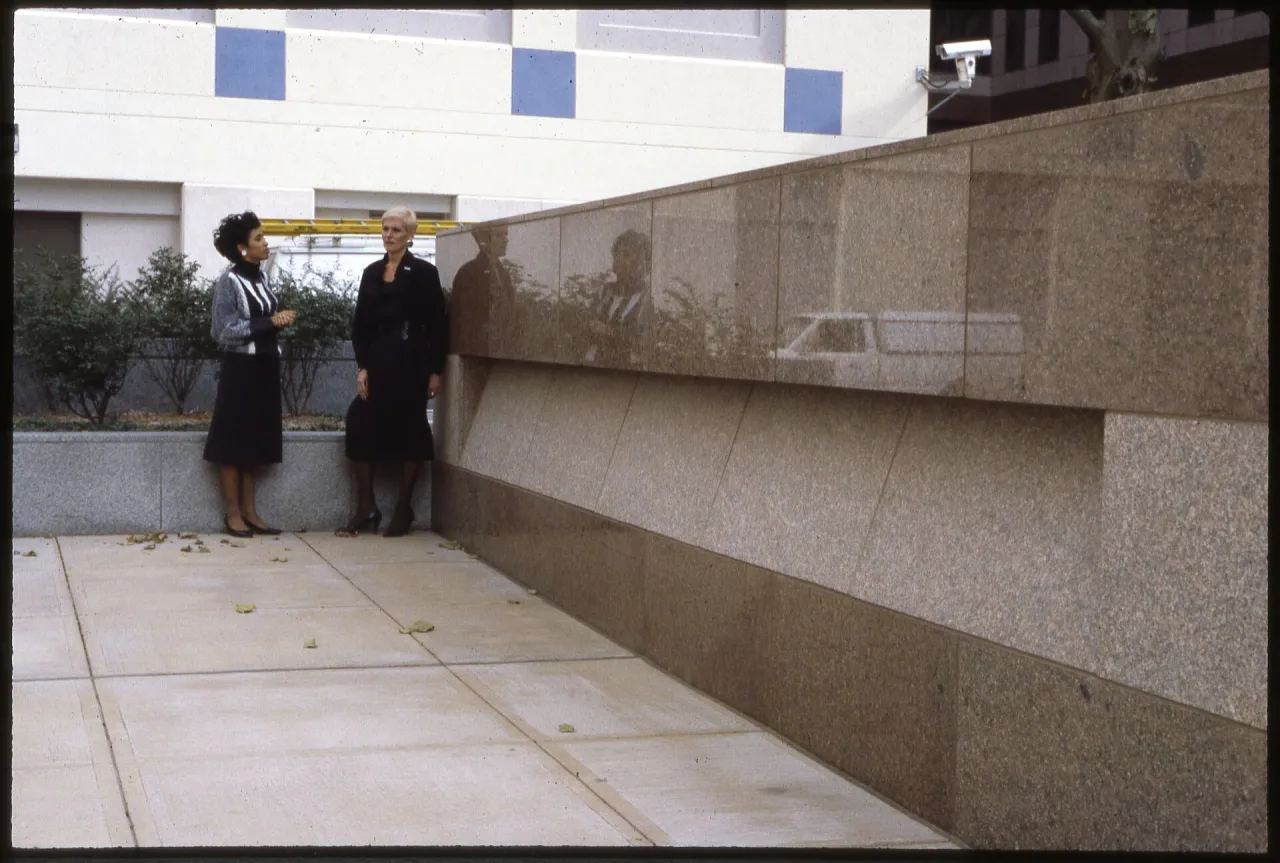
In a second round, try opening with a question: ‘What made that part of the handover difficult?’ Allow the employee to respond before suggesting a solution. The goal is not to win an argument but to discover whether instructions, resources or expectations were unclear.
Make listening part of the exercise
The employee may say that the form was confusing or that two supervisors gave different instructions. The supervisor should clarify rather than dismiss the explanation. An observer can note whether the speaker interrupted, paraphrased accurately or jumped to a conclusion. Do not award points for agreeing with management when the facts are uncertain.
UNESCO’s inclusion in education resource highlights the importance of addressing diverse learner needs. In classroom practice, offer written roles, extra preparation time or a way to observe instead of acting for people who require different participation methods. The goal is meaningful learning, not forcing everyone into the same performance style.
Agree on a task that can be checked
Finish with a practical next step: revise the training form, write a short handover guide or review three sample records the following week. State who owns the action and what evidence would demonstrate that the misunderstanding was addressed. Do not invent or promise disciplinary outcomes.
Illustrative example: Both fictional participants agree to test a clearer follow-up column. They plan to compare two sample handovers after a practice session. No improvement claim should be made until someone actually reviews the results. The scenario does not concern any real company’s performance record.
Pause to discuss the conversation itself
After the role-play, each participant describes one phrase that worked and one they would change. The observer uses the checklist to give specific, respectful notes. Swap roles so learners see how the same conversation feels from the other position. If a role-play triggers genuine personal distress, change the topic rather than forcing disclosure.
The ILO guide to digitalisation and blending of training programmes discusses structured skills learning across training formats. An instructor can adapt this practice to a physical classroom or a supervised video session, while keeping discussion and reflection central. The guide is not a source of claims about a specific organisation’s staff.
Write a short reflection instead of a grade
Ask learners to complete three prompts: ‘A fact I described clearly was…’, ‘A question I should have asked earlier was…’, and ‘One change I will try next time is…’. Compare the second role-play with the first using the same checklist. Keep personal reflections private unless learners agree to share them.
The G-Learning Center Performance Management (Full Course) and Managing a Successful Business (Full Course) are relevant existing learning resources. Read their current pages for real course details. This exercise supplements learning and does not certify professional competency.
Take the lesson beyond the classroom carefully
The strongest performance feedback role-play ends with a more accurate, respectful way to communicate. The learner should know how to describe evidence, ask open questions and recognise when an issue belongs with human resources or a qualified professional.
Use the same structure in future practice sessions with different fictional tasks, while always respecting confidentiality and local workplace procedures. A considerate conversation is a skill worth developing even when the classroom scenario is simple.